




In the realm of modern communication and various industries that rely on high - altitude equipment, telescopic mobile towers have emerged as a crucial solution. As a supplier of telescopic mobile towers, I understand the paramount importance of their stability during operation. This blog will delve into the factors that influence the stability of telescopic mobile towers and why it is a critical aspect to consider.
Structural Design and Its Impact on Stability
The structural design of telescopic mobile towers is the foundation upon which their stability is built. These towers typically consist of multiple sections that can be extended or retracted. The design must ensure that each section fits precisely with the adjacent ones, creating a seamless and robust structure when fully extended.
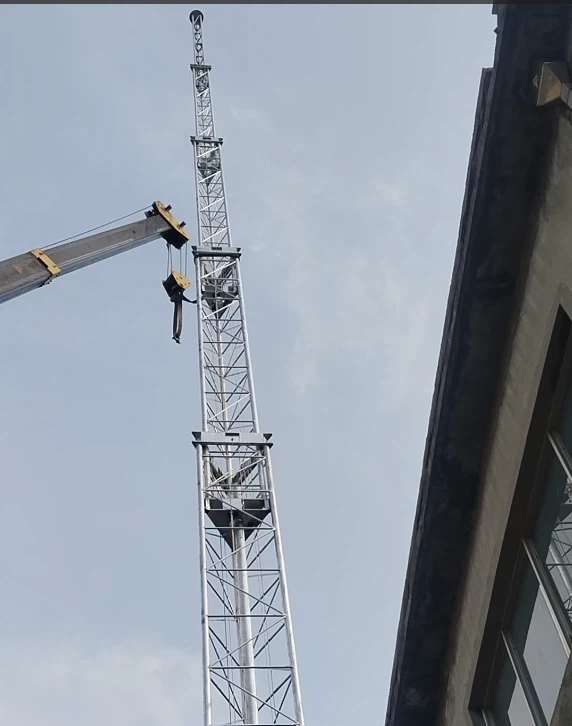

One of the key elements in the structural design is the use of high - strength materials. Steel is a commonly used material for telescopic mobile towers due to its excellent tensile strength and durability. The thickness of the steel walls of each section is carefully calculated to provide sufficient support while keeping the overall weight of the tower within an acceptable range. A thicker wall can enhance the tower's resistance to bending and buckling forces, which are common during operation.
The shape of the tower sections also plays a significant role in stability. Many telescopic mobile towers have a tapered design, where the diameter of each section decreases as you move up the tower. This design not only reduces the wind resistance but also distributes the weight more evenly, preventing the tower from tipping over. For example, our Telescopic Unguyed Tower features a well - engineered tapered design that allows it to maintain high stability even in challenging environmental conditions.
Stability During Extension and Retraction
The process of extending and retracting a telescopic mobile tower is a critical phase that needs to be carefully controlled to ensure stability. Hydraulic or mechanical systems are commonly used to perform these operations.
When extending the tower, the load distribution changes continuously. The lower sections of the tower need to support the weight of the upper sections as they are gradually lifted. A well - designed hydraulic system ensures that the extension is smooth and controlled, preventing sudden jerks or imbalances that could compromise the tower's stability. For instance, our hydraulic systems are equipped with advanced control valves that regulate the flow of hydraulic fluid precisely, allowing for a slow and steady extension of the tower.
During the retraction process, similar precautions are necessary. The upper sections need to be lowered in a controlled manner to avoid any impact on the lower sections. If the retraction is too fast, it can cause vibrations and potentially damage the tower's structure. Our telescopic mobile towers are designed with safety features such as shock absorbers and braking systems to ensure a safe and stable retraction process.
Influence of Environmental Factors on Stability
Environmental factors have a significant impact on the stability of telescopic mobile towers during operation. Wind is perhaps the most influential factor. High - speed winds can exert a substantial lateral force on the tower, causing it to sway or even tip over.
To mitigate the effects of wind, telescopic mobile towers are designed with wind - resistance features. This may include the previously mentioned tapered design, as well as aerodynamic shapes. Additionally, some towers are equipped with wind - sensing devices. These devices can detect the wind speed and direction, and if the wind reaches a dangerous level, they can trigger safety protocols such as automatic retraction of the tower or sending an alert to the operator.
Ground conditions also play a crucial role. Uneven or soft ground can cause the tower to become unstable. Before setting up a telescopic mobile tower, a proper site survey should be conducted to ensure that the ground can support the tower's weight. If the ground is soft, additional measures such as the use of stabilizing pads or ground anchors may be required. Our 100ft Cell On Wheels (COW) is designed to be adaptable to different ground conditions, with a set of adjustable legs and stabilizing mechanisms to enhance its stability.
Load - Bearing Capacity and Stability
The load - bearing capacity of a telescopic mobile tower is closely related to its stability. The tower needs to support not only its own weight but also the weight of any additional equipment such as antennas, cameras, or surveillance devices.
During the design phase, engineers calculate the maximum load that the tower can safely carry. This calculation takes into account the structural strength of the tower, the distribution of the load, and the environmental conditions. Overloading the tower can lead to excessive stress on the structure, which can compromise its stability and even cause structural failure.
Our Military Telescopic Tower is designed to handle heavy - duty loads, making it suitable for military applications where the tower may need to support advanced communication and surveillance equipment. We ensure that all our towers are tested to their maximum load - bearing capacity during the manufacturing process to guarantee their stability and safety during operation.
Importance of Stability for Different Applications
The stability of telescopic mobile towers is of utmost importance for different applications. In the field of telecommunications, these towers are used to provide temporary or permanent communication solutions. Any instability in the tower can lead to signal disruptions, which can have a significant impact on the quality of communication services.
For military applications, telescopic mobile towers are used for surveillance, communication, and other critical operations. A stable tower is essential for ensuring the accuracy of surveillance equipment and the reliability of communication systems. In emergency response situations, such as natural disasters or search - and - rescue operations, the stability of these towers is crucial for providing immediate communication support.
Ensuring Long - Term Stability Through Maintenance
Regular maintenance is essential for ensuring the long - term stability of telescopic mobile towers. Over time, the structural components of the tower may experience wear and tear, which can affect its stability.
Maintenance tasks include inspecting the tower for any signs of damage, such as cracks or corrosion in the steel sections. The hydraulic or mechanical systems also need to be checked regularly to ensure that they are functioning properly. Lubrication of moving parts is necessary to prevent friction and wear.
We provide comprehensive maintenance guidelines to our customers to ensure that their telescopic mobile towers remain stable and reliable over their lifespan. Our team of experts is also available to provide on - site maintenance and repair services if needed.
Conclusion
The stability of telescopic mobile towers during operation is a multi - faceted issue that involves structural design, the process of extension and retraction, environmental factors, load - bearing capacity, and maintenance. As a supplier of telescopic mobile towers, we are committed to providing high - quality products that meet the highest standards of stability and safety.
If you are in the market for a telescopic mobile tower for your specific application, we invite you to contact us for a detailed discussion. Our team of experts can help you choose the right tower based on your requirements and ensure that you get the best value for your investment. We look forward to working with you to provide the most reliable and stable telescopic mobile tower solutions.
References
- "Structural Design Principles for Telescopic Towers", Journal of Structural Engineering, Vol. XX, Issue XX
- "Environmental Effects on Mobile Tower Stability", Proceedings of the International Conference on Telecommunication Infrastructure, Year XX
- "Load - Bearing Analysis of Telescopic Mobile Towers", Engineering Research Journal, Vol. XX, Issue XX