




As a supplier of manual telescoping masts, I often encounter inquiries from customers about the appropriate lubricants for these masts. The right lubricant is crucial for the smooth operation, longevity, and performance of a manual telescoping mast. In this blog, I will discuss the types of lubricants suitable for manual telescoping masts, considering factors such as the mast's material, operating environment, and specific usage requirements.
Understanding the Function of Lubricants in Manual Telescoping Masts
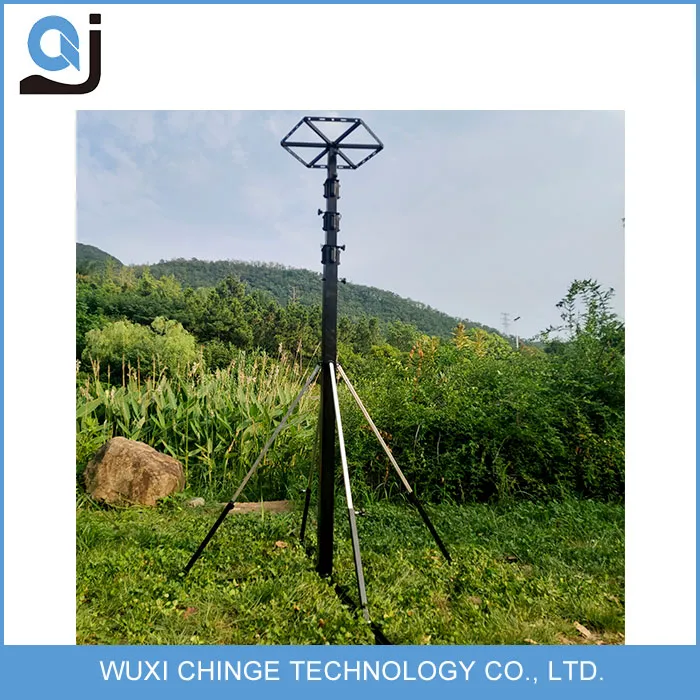
Before delving into the types of lubricants, it's important to understand why lubrication is essential for manual telescoping masts. These masts consist of multiple sections that slide over each other during extension and retraction. Without proper lubrication, the friction between the mast sections can lead to several issues, including:
- Increased Wear and Tear: High friction can cause the mast surfaces to wear down quickly, reducing the mast's lifespan and potentially leading to mechanical failures.
- Difficult Operation: Friction makes it harder to extend and retract the mast, requiring more effort from the operator. This can be particularly problematic in situations where quick deployment or adjustment is necessary.
- Corrosion: Friction can also damage the mast's protective coating, exposing it to moisture and other corrosive elements. Over time, this can lead to rust and other forms of corrosion, further compromising the mast's integrity.
A good lubricant helps to reduce friction, prevent wear and tear, and protect the mast from corrosion. It also ensures smooth and effortless operation, making the mast more reliable and user-friendly.
Types of Lubricants for Manual Telescoping Masts
There are several types of lubricants available, each with its own advantages and disadvantages. The choice of lubricant depends on various factors, such as the mast's material, operating environment, and specific usage requirements. Here are some common types of lubricants used for manual telescoping masts:
1. Grease
Grease is a popular choice for lubricating manual telescoping masts due to its high viscosity and ability to adhere to surfaces. It provides long-lasting lubrication and protection against wear and corrosion. Grease is available in different formulations, each designed for specific applications.
- Lithium Grease: Lithium grease is a versatile lubricant that is suitable for a wide range of operating conditions. It has good water resistance and can withstand high temperatures, making it ideal for use in both indoor and outdoor environments. Lithium grease is also compatible with most types of mast materials, including aluminum, steel, and fiberglass.
- Silicone Grease: Silicone grease is another popular choice for lubricating manual telescoping masts. It has excellent water repellency and can provide long-lasting lubrication in wet or humid environments. Silicone grease is also resistant to oxidation and can withstand high temperatures, making it suitable for use in harsh operating conditions. However, it may not be as effective as lithium grease in high-load applications.
- PTFE Grease: PTFE (polytetrafluoroethylene) grease is a high-performance lubricant that contains PTFE particles. It has extremely low friction coefficients and can provide excellent lubrication and wear protection. PTFE grease is also resistant to water, chemicals, and high temperatures, making it suitable for use in demanding applications. However, it can be more expensive than other types of grease.
2. Oil
Oil is another type of lubricant that can be used for manual telescoping masts. It has a lower viscosity than grease, which allows it to penetrate into tight spaces and provide better lubrication for moving parts. Oil is also easier to apply and remove than grease, making it a convenient choice for maintenance.
- Mineral Oil: Mineral oil is a common type of oil used for lubricating manual telescoping masts. It is inexpensive and readily available, making it a popular choice for general-purpose applications. Mineral oil has good lubricating properties and can provide some protection against wear and corrosion. However, it may not be as effective as synthetic oils in high-temperature or high-load applications.
- Synthetic Oil: Synthetic oil is a high-performance lubricant that is designed to provide superior lubrication and protection in extreme operating conditions. It has better viscosity stability, oxidation resistance, and wear protection than mineral oil, making it suitable for use in high-temperature, high-load, and high-speed applications. Synthetic oil is also more expensive than mineral oil, but its long-term performance and durability make it a worthwhile investment.
3. Dry Lubricants
Dry lubricants are a type of lubricant that do not contain any liquid components. They are typically applied as a powder or spray and form a thin, dry film on the surface of the mast. Dry lubricants provide excellent lubrication and wear protection without attracting dirt and debris, making them ideal for use in dirty or dusty environments.
- Graphite: Graphite is a common dry lubricant that is used for lubricating manual telescoping masts. It has good lubricating properties and can provide long-lasting lubrication in high-temperature and high-pressure applications. Graphite is also resistant to chemicals and can withstand extreme operating conditions. However, it may not be as effective as other types of lubricants in wet or humid environments.
- Molybdenum Disulfide (MoS2): Molybdenum disulfide is another popular dry lubricant that is used for lubricating manual telescoping masts. It has excellent lubricating properties and can provide superior wear protection in high-load and high-speed applications. MoS2 is also resistant to water, chemicals, and high temperatures, making it suitable for use in harsh operating conditions. However, it can be more expensive than other types of dry lubricants.
Factors to Consider When Choosing a Lubricant
When choosing a lubricant for a manual telescoping mast, it's important to consider the following factors:
- Mast Material: Different mast materials have different lubrication requirements. For example, aluminum masts are more prone to corrosion than steel masts, so a lubricant with good corrosion protection is recommended. Fiberglass masts, on the other hand, require a lubricant that is compatible with the fiberglass material and does not cause any damage or degradation.
- Operating Environment: The operating environment can also affect the choice of lubricant. If the mast is used in a wet or humid environment, a lubricant with good water resistance is necessary. If the mast is exposed to high temperatures or extreme weather conditions, a lubricant that can withstand these conditions is required.
- Usage Requirements: The specific usage requirements of the mast should also be taken into account. For example, if the mast is used frequently or in high-load applications, a lubricant with high wear resistance and durability is recommended. If the mast is used in a precision application, a lubricant that provides smooth and consistent operation is necessary.
- Maintenance Requirements: The maintenance requirements of the lubricant should also be considered. Some lubricants require more frequent reapplication than others, while some may require special cleaning or preparation before application. It's important to choose a lubricant that is easy to apply and maintain, and that fits within the maintenance schedule of the mast.
Application of Lubricants
Proper application of lubricants is essential for ensuring their effectiveness and longevity. Here are some general guidelines for applying lubricants to manual telescoping masts:

- Clean the Mast: Before applying the lubricant, it's important to clean the mast thoroughly to remove any dirt, debris, or old lubricant. This can be done using a mild detergent and water, or a specialized cleaning solution. Make sure to dry the mast completely before applying the lubricant.
- Apply the Lubricant: Depending on the type of lubricant, it can be applied using a brush, spray, or grease gun. Make sure to apply the lubricant evenly to all the moving parts of the mast, including the sliding surfaces, joints, and bearings. Avoid over-applying the lubricant, as this can attract dirt and debris and cause problems.
- Work the Lubricant In: After applying the lubricant, it's important to work it into the mast by extending and retracting it several times. This helps to distribute the lubricant evenly and ensure that it reaches all the necessary areas.
- Wipe off Excess Lubricant: Once the lubricant has been worked in, use a clean cloth to wipe off any excess lubricant. This helps to prevent the lubricant from attracting dirt and debris and causing problems.
Conclusion
Choosing the right lubricant for a manual telescoping mast is crucial for ensuring its smooth operation, longevity, and performance. By considering factors such as the mast's material, operating environment, and specific usage requirements, you can select a lubricant that provides the best protection and lubrication for your mast. Proper application of the lubricant is also essential for ensuring its effectiveness and longevity.
If you are in the market for a manual telescoping mast or need more information about lubricants, please feel free to contact us. We are a leading supplier of Mechanical Telescoping Mast, Motorized Telescoping Antenna Mast, and Motorized Telescopic Mast, and we are committed to providing our customers with high-quality products and excellent customer service.
References
- "Lubrication Basics," Machinery Lubrication, accessed [date].
- "Choosing the Right Lubricant for Your Application," Lubrication Engineers, accessed [date].
- "Lubricants for Telescoping Masts," Mast Manufacturer's Handbook, accessed [date].