


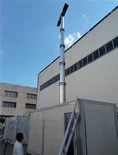

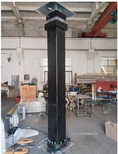
Cell on Wheels (COWs) and traditional cell towers serve the same purpose of providing cellular connectivity, but they differ significantly in design, functionality, and use cases. Here's a comparison:
Flexibility and Mobility
COWs: Highly portable and can be deployed quickly to temporary or remote locations. They are ideal for events, disaster recovery, or areas with temporary connectivity needs.
Traditional Towers: Fixed structures designed for permanent coverage. They are not movable and require significant time and resources to construct.
Deployment Time
COWs: Can be set up in hours, making them suitable for urgent or short-term needs.
Traditional Towers: Require months or even years for planning, permitting, and construction.
Cost
COWs: More cost-effective for temporary or short-term use, as they avoid the high upfront costs of building permanent infrastructure.
Traditional Towers: Higher initial investment but more economical for long-term, high-traffic areas.
Coverage and Capacity
COWs: Typically provide limited coverage and capacity compared to traditional towers but can be scaled or clustered for larger areas.
Traditional Towers: Offer broader coverage and higher capacity, supporting more users over a larger area.
Environmental Impact
COWs: Often rely on diesel generators, which can have a higher environmental footprint during operation.
Traditional Towers: Once installed, they have a lower operational environmental impact, especially if connected to grid power or renewable energy sources.
For more Cell on Wheels information, please visit the following website:www.hilyftan.com.