




As a supplier of manual telescoping masts, I've received numerous inquiries regarding the suitability of our products in dusty environments. This blog post aims to delve into this topic comprehensively, exploring the factors at play, the challenges that dusty conditions present, and how our manual telescoping masts are designed to tackle them.
Understanding Dusty Environments
Dusty environments can vary widely in terms of the type, size, and concentration of dust particles. Industrial settings such as mines, construction sites, and manufacturing plants often generate large amounts of coarse dust. In contrast, desert regions and agricultural areas may have fine, powdery dust that can be more pervasive. These dust particles can pose significant challenges to the proper functioning of mechanical equipment, including manual telescoping masts.
Challenges Posed by Dust
One of the primary concerns in dusty environments is the potential for dust to infiltrate the moving parts of the mast. Manual telescoping masts rely on a series of joints, gears, and pulleys to extend and retract. When dust enters these components, it can act as an abrasive, causing accelerated wear and tear. Over time, this can lead to decreased performance, increased friction, and even mechanical failure.
Another issue is the accumulation of dust on the exterior of the mast. This can not only affect the aesthetic appearance but also interfere with the smooth operation of the mast. For example, a thick layer of dust on the telescoping sections can make it difficult to extend or retract the mast, as the dust can create a barrier between the sections.
Design Features of Our Manual Telescoping Masts
At our company, we understand the challenges that dusty environments present, and we've designed our manual telescoping masts with several features to mitigate these issues.
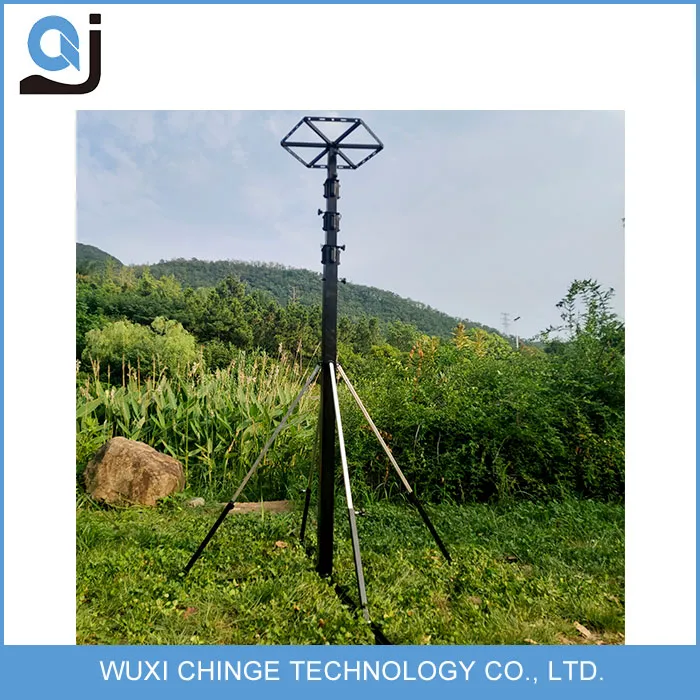

Sealed Components
One of the key design features of our masts is the use of sealed components. The joints and moving parts of the mast are carefully sealed to prevent dust from entering. This helps to protect the internal mechanisms from the abrasive effects of dust, ensuring long - term reliability and performance.
Protective Coatings
Our masts are also coated with a special protective finish. This coating not only provides corrosion resistance but also helps to repel dust. The smooth surface of the coating makes it more difficult for dust to adhere to the mast, reducing the risk of accumulation and ensuring that the mast can be easily cleaned.
Durable Materials
We use high - quality, durable materials in the construction of our manual telescoping masts. For example, the Steel Telescopic Winch Mast is made from strong steel that can withstand the rigors of dusty environments. The materials are carefully selected for their resistance to wear, corrosion, and the effects of dust.
Case Studies
To illustrate the effectiveness of our manual telescoping masts in dusty environments, let's look at a few case studies.
Construction Site Application
A construction company in a large urban area was in need of a reliable mast for their surveying equipment. The construction site was constantly generating large amounts of dust from excavation and demolition activities. They installed our Crank Up Pole on their site. Despite the high levels of dust, the mast continued to operate smoothly for several months without any significant issues. The sealed components and protective coating prevented dust from causing any major problems, and the construction company was able to complete their project on time.
Desert Exploration
A research team conducting desert exploration required a mast for their communication equipment. The desert environment is known for its fine, powdery dust that can easily infiltrate equipment. They chose our Mechanical Telescoping Mast for its durability and dust - resistant features. During their expedition, the mast performed exceptionally well. The dust - repellent coating kept the mast relatively clean, and the sealed components protected the internal mechanisms from damage.
Maintenance in Dusty Environments
While our manual telescoping masts are designed to withstand dusty environments, proper maintenance is still essential to ensure their long - term performance.
Regular Cleaning
Regular cleaning is one of the most important maintenance tasks. It is recommended to clean the mast at least once a week in a very dusty environment. Use a soft brush or cloth to remove any loose dust from the exterior of the mast. For more stubborn dust, a mild detergent and water can be used.
Lubrication
Proper lubrication of the moving parts is also crucial. Lubricants help to reduce friction and prevent wear. In dusty environments, it is important to use a lubricant that is resistant to dust contamination. Follow the manufacturer's recommendations for lubrication intervals and the type of lubricant to use.
Inspection
Regular inspections should be carried out to check for any signs of wear or damage. Look for any unusual noise or resistance during the extension and retraction of the mast. If any issues are detected, they should be addressed immediately to prevent further damage.
Conclusion
In conclusion, manual telescoping masts can indeed be used in dusty environments. Our company's manual telescoping masts are designed with features such as sealed components, protective coatings, and durable materials to withstand the challenges posed by dust. Through case studies, we have demonstrated the effectiveness of our masts in real - world dusty environments.
However, it is important to note that proper maintenance is still required to ensure the long - term performance of the mast. By following the recommended maintenance procedures, you can extend the lifespan of your manual telescoping mast and ensure that it continues to operate reliably in dusty conditions.
If you are in need of a manual telescoping mast for a dusty environment, we invite you to contact us for more information. Our team of experts can help you select the right mast for your specific needs and provide you with all the support you need for installation and maintenance. Let's start a conversation about how our manual telescoping masts can meet your requirements in dusty environments.
References
- "Engineering Design for Dusty Environments" - A technical report on the challenges and solutions for equipment in dusty conditions.
- "Materials Science in Mechanical Equipment" - A comprehensive study on the use of materials in mechanical equipment and their resistance to wear and corrosion.