


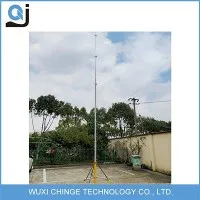


Can a portable telescopic mast be used in windy conditions? That's a question I get asked a lot as a supplier of portable telescopic masts. And it's a valid one, especially for those who need to use these masts in outdoor settings where wind is a common factor. In this blog post, I'm going to dive into this topic and share my insights based on years of experience in the industry.
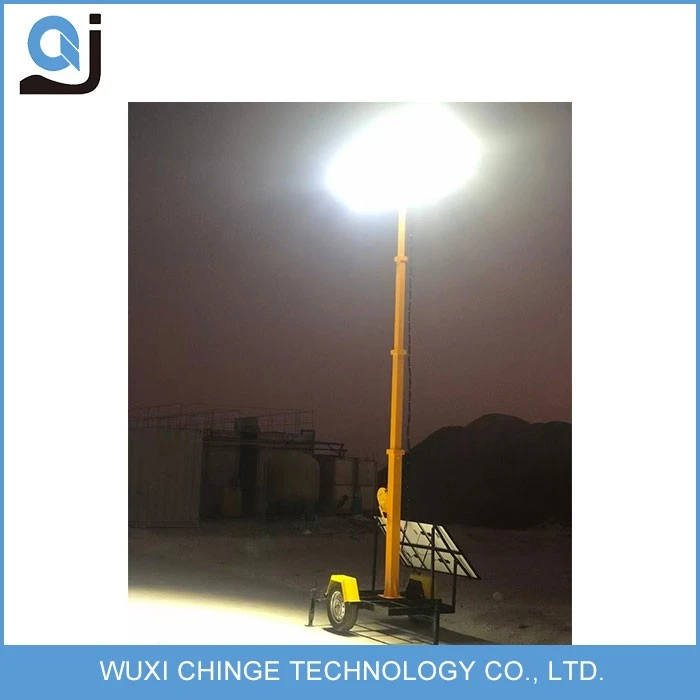
First off, let's understand what a portable telescopic mast is. These are handy pieces of equipment that can be extended to different heights and are relatively easy to transport and set up. They're used in a variety of applications, like mounting antennas for communication purposes, setting up cameras for surveillance, or even for lighting in outdoor events. You can check out some of our products, like the Push Up Antenna Mast and the Antenna Push Up Pole, which are popular choices among our customers.
Now, back to the question at hand: Can they be used in windy conditions? The short answer is, it depends. There are several factors that come into play when determining whether a portable telescopic mast can withstand windy conditions.

Mast Design and Construction
The design and construction of the mast are crucial. A well - built mast with a sturdy structure is more likely to handle windy conditions. For example, masts made from high - quality materials like aluminum or fiberglass tend to be more durable and resistant to the forces exerted by the wind. Our Telescopic Winch Up Mast - 5m Extended Length is constructed with strong materials to ensure stability.
The diameter of the mast also matters. A wider mast generally provides more stability. Masts with a tapered design, where the diameter decreases as you go up, can be more aerodynamic, reducing the wind resistance. Additionally, the locking mechanism that holds the mast sections in place needs to be reliable. If the locks are flimsy, the mast may collapse or shift in high winds.
Height of the Mast
The height to which the mast is extended is a significant factor. The taller the mast, the more exposed it is to the wind, and the greater the wind forces acting on it. As a general rule, the wind speed increases with height. So, if you extend a mast to its maximum height in windy conditions, it will face much stronger wind forces compared to when it's at a lower height. You need to be cautious when extending the mast to its full height, especially in areas prone to high winds.
Wind Speed and Direction
Obviously, the wind speed is a major determinant. Light winds, say up to 10 - 15 miles per hour, are usually not a problem for most well - designed portable telescopic masts. But as the wind speed increases, the risk of instability also goes up. Gusty winds are even more challenging because they can suddenly change the force acting on the mast.
The direction of the wind also matters. A head - on wind (blowing directly against the mast) can exert a lot of pressure on the mast, while a side - on wind may cause the mast to sway more. You need to consider the wind direction when setting up the mast and try to position it in a way that minimizes the impact of the wind.
Base and Anchoring
The base of the mast and how it's anchored to the ground are vital for stability in windy conditions. A solid base provides a stable foundation for the mast. Some masts come with a tripod base, which distributes the weight evenly and provides good stability.
Proper anchoring is also essential. You can use guy wires or stakes to secure the mast to the ground. Guy wires are ropes or cables attached to the mast at different heights and then anchored to the ground. They help to counteract the forces exerted by the wind and prevent the mast from tipping over. Make sure the guy wires are tightened properly and the anchors are firmly planted in the ground.
Load on the Mast
The equipment mounted on the mast, such as antennas or cameras, also adds to the overall weight and wind resistance. A heavy load or a large - sized antenna can make the mast more susceptible to the effects of the wind. You need to consider the weight and size of the load when using the mast in windy conditions.
Tips for Using Portable Telescopic Masts in Windy Conditions
If you plan to use a portable telescopic mast in windy conditions, here are some tips to keep in mind:
- Check the Weather Forecast: Before setting up the mast, check the weather forecast to get an idea of the expected wind speeds. If high winds are predicted, you may want to postpone the setup or take extra precautions.
- Limit the Height: Don't extend the mast to its full height if the wind is strong. Keep it at a lower height to reduce the wind forces acting on it.
- Inspect the Mast: Before each use, inspect the mast for any signs of damage or wear, especially the locking mechanism and the base. A damaged mast is more likely to fail in windy conditions.
- Secure the Base and Use Guy Wires: Make sure the base is firmly on the ground and use guy wires to anchor the mast. Check the tightness of the guy wires regularly.
- Monitor the Mast: Keep an eye on the mast during use, especially during windy periods. If you notice any excessive swaying or instability, take immediate action, such as lowering the mast or adjusting the guy wires.
In conclusion, while portable telescopic masts can be used in windy conditions, it requires careful consideration of various factors. If you take the necessary precautions and choose a well - designed mast, you can use it safely even in moderately windy conditions.
If you're in the market for a portable telescopic mast and have questions about using it in windy conditions, feel free to reach out to us. We're here to help you make the right choice for your specific needs. Whether you're a professional in the communication industry or someone setting up a small outdoor event, we have the right mast for you. Contact us to start the procurement process and discuss your requirements.
References
- Engineering Principles of Wind Resistance in Structures, Journal of Structural Engineering
- Best Practices for Using Portable Equipment in Outdoor Conditions, Outdoor Equipment Magazine