


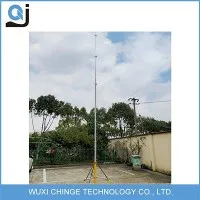
Hey there! As a winch up pole supplier, I've seen firsthand the importance of proper winch cable maintenance. A winch cable is a crucial component when it comes to winching up poles, and neglecting its upkeep can lead to all sorts of problems, from reduced performance to safety hazards. So, let's dive into the essential maintenance tasks for a winch cable used to winch up a pole.
Regular Inspections
The first and most important maintenance task is regular inspections. You should check your winch cable before and after every use. Start by visually inspecting the cable for any signs of wear, such as fraying, kinking, or corrosion. Frayed cables are a major red flag as they can break under stress, putting both the operator and the equipment at risk. Kinks can also weaken the cable and cause it to fail prematurely. Corrosion, on the other hand, can eat away at the cable's strength over time.
Use your hands to feel along the cable for any rough spots or irregularities. Sometimes, damage might not be visible to the naked eye but can be felt. Pay close attention to the areas near the winch drum and the attachment points, as these are the places where the cable experiences the most stress.
If you notice any significant damage during your inspection, it's time to replace the cable. Don't take any chances with a compromised cable, as it can lead to serious accidents.
Cleaning
Cleaning the winch cable is another vital maintenance task. Over time, dirt, debris, and grime can accumulate on the cable, which can cause abrasion and speed up the wear process. Use a soft brush and a mild detergent to clean the cable. Make sure to get into all the nooks and crannies, especially around the strands of the cable.
Rinse the cable thoroughly with clean water to remove all the soap residue. After cleaning, dry the cable completely to prevent rust and corrosion. You can use a clean cloth to wipe it down or let it air dry in a well - ventilated area.
Lubrication
Lubricating the winch cable is crucial for its smooth operation and longevity. A well - lubricated cable reduces friction between the strands, which in turn reduces wear and tear. It also helps to prevent corrosion by creating a protective barrier between the cable and the elements.
There are different types of lubricants available for winch cables, such as silicone - based or wax - based lubricants. Apply the lubricant evenly along the entire length of the cable. You can use a brush or a spray applicator to ensure complete coverage. Make sure to follow the manufacturer's instructions when applying the lubricant.
Proper Storage
When the winch cable is not in use, proper storage is essential. Store the cable in a dry, cool place away from direct sunlight and moisture. If possible, coil the cable neatly and secure it with cable ties or straps to prevent it from tangling.
Avoid storing the cable in areas where it can be exposed to chemicals or sharp objects that could damage it. If you're storing the cable for an extended period, consider applying a light coat of lubricant before storage to provide extra protection against corrosion.
Tension Adjustment
Maintaining the right tension on the winch cable is important for its proper functioning. If the cable is too loose, it can slip on the winch drum, causing uneven winding and potential damage. On the other hand, if the cable is too tight, it can put excessive stress on the winch motor and other components.
Check the tension of the cable regularly and adjust it as needed. Most winches have a tension adjustment mechanism that allows you to tighten or loosen the cable. Refer to the winch's user manual for specific instructions on how to adjust the tension.
Compatibility with Winch and Pole
Make sure that the winch cable you're using is compatible with both the winch and the pole. Different winches have different load capacities and cable requirements. Using a cable that is too thin or not rated for the weight of the pole can lead to cable failure.
Similarly, the attachment points on the pole should be suitable for the winch cable. Ensure that the cable is securely attached to the pole to prevent it from coming loose during the winching process.
Upgrading and Replacement
As your winching needs change or as the cable reaches the end of its lifespan, consider upgrading or replacing the winch cable. Newer cables may offer better performance, higher strength, and improved corrosion resistance.
When choosing a new cable, look for cables that are made from high - quality materials and are designed for the specific application of winching up poles. You can find a variety of winch up poles on our website, like the Telescopic Winch Up Mast - 5m Extended Length, Mechanical Telescopic Mast, and 25 ft Telescoping Antenna Mast.
Training and Operator Awareness
Finally, ensure that all operators are properly trained on winch cable maintenance. They should know how to perform the basic maintenance tasks, such as inspections, cleaning, and lubrication. Operator awareness is key to preventing damage to the winch cable and ensuring safe and efficient winching operations.
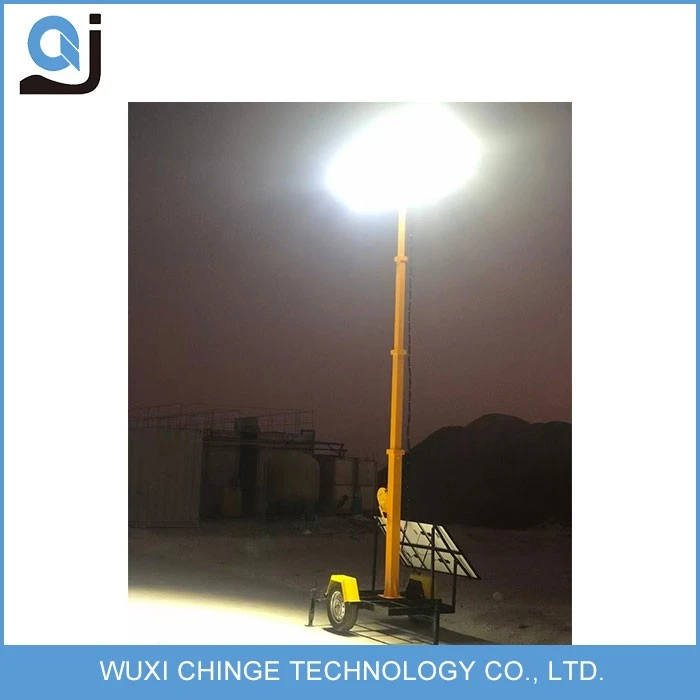

In conclusion, taking care of your winch cable is essential for the safe and effective winching up of poles. By following these maintenance tasks, you can extend the life of your cable, improve the performance of your winch, and most importantly, keep everyone safe.
If you're in the market for high - quality winch up poles or have any questions about winch cable maintenance, don't hesitate to reach out. We're here to help you with all your winching needs and ensure that you get the best products and advice for your projects.
References
- Winch Manufacturer's User Manuals
- Industry Standards for Winch Cable Maintenance