


Can a push up antenna mast be used for RFID communication?
In the realm of wireless communication, Radio - Frequency Identification (RFID) technology has emerged as a powerful tool with a wide range of applications, from inventory management in retail stores to access control systems. Meanwhile, push up antenna masts are a practical solution for elevating antennas to optimal heights. As a supplier of push up antenna masts, I often receive inquiries about the compatibility of these masts with RFID communication. In this blog post, we'll explore whether a push up antenna mast can be used for RFID communication, delving into the technical aspects, advantages, and potential limitations.
Understanding RFID Communication
RFID systems consist of three main components: tags, readers, and antennas. RFID tags are small devices that contain a microchip and an antenna. They can store and transmit data wirelessly using radio - frequency signals. RFID readers are responsible for sending and receiving these signals to communicate with the tags. Antennas play a crucial role in both the readers and the tags, as they are the interface through which the radio - frequency signals are transmitted and received.
The frequency bands used in RFID systems vary depending on the application. Low - frequency (LF) RFID operates in the range of 125 - 134 kHz, high - frequency (HF) RFID uses frequencies around 13.56 MHz, and ultra - high - frequency (UHF) RFID operates in the range of 860 - 960 MHz. Each frequency band has its own characteristics in terms of read range, data transfer rate, and susceptibility to interference.
The Role of Antenna Masts in Communication
Antenna masts are used to elevate antennas to a higher position. By raising the antenna, we can increase the line - of - sight between the antenna and the target objects, which is particularly important in environments where there are obstacles that could block or attenuate the radio - frequency signals. A higher antenna can also reduce the impact of ground - based interference and multipath fading, which occurs when the radio signals bounce off objects and arrive at the receiver at different times, causing signal degradation.
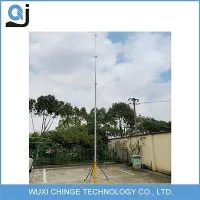
Push up antenna masts are a popular choice because of their ease of use and portability. They can be quickly extended to the desired height and retracted for storage or transportation. These masts are typically made of lightweight materials such as aluminum, which makes them easy to handle even in the field.
Can a Push Up Antenna Mast be Used for RFID Communication?
The short answer is yes, a push up antenna mast can be used for RFID communication. However, several factors need to be considered to ensure optimal performance.
Frequency Compatibility
The first consideration is the frequency of the RFID system. Push up antenna masts are designed to support a wide range of antennas, but the performance of the antenna - mast combination can be affected by the frequency of operation. For low - frequency and high - frequency RFID systems, the wavelength of the radio signals is relatively long. In these cases, the height of the antenna may not have a significant impact on the read range, as the signals can penetrate through objects more easily. However, for ultra - high - frequency RFID systems, the wavelength is much shorter, and the read range can be significantly improved by elevating the antenna using a push up mast.
Antenna Type
The type of antenna used with the push up mast is also crucial. Different RFID applications require different antenna types, such as dipole antennas, patch antennas, or circularly polarized antennas. The push up mast should be able to support the physical dimensions and weight of the antenna. Additionally, the mast should not interfere with the radiation pattern of the antenna. For example, a metallic mast could cause electromagnetic interference if it is too close to the antenna elements.
Environmental Factors
The environment in which the RFID system is deployed can also affect the performance of the push up antenna mast. In outdoor environments, factors such as wind, rain, and temperature can impact the stability and durability of the mast. A well - designed push up mast should be able to withstand these environmental conditions. In indoor environments, the presence of metal objects, concrete walls, and other obstacles can cause signal reflection and absorption, which may require careful positioning of the mast and antenna.
Advantages of Using a Push Up Antenna Mast for RFID Communication
Improved Read Range
As mentioned earlier, elevating the RFID antenna using a push up mast can significantly increase the read range, especially for UHF RFID systems. This is particularly useful in large - scale applications such as warehouse inventory management, where a wider read range can reduce the number of antennas required and improve the efficiency of the system.
Flexibility
Push up antenna masts offer a high degree of flexibility. They can be easily adjusted to different heights, allowing for optimization of the antenna position based on the specific requirements of the RFID application. This flexibility is also beneficial in temporary or mobile RFID installations, where the system needs to be quickly set up and dismantled.
Cost - Effectiveness
Compared to permanent antenna installations, push up antenna masts are a more cost - effective solution. They require less infrastructure and can be reused in different locations. This makes them an attractive option for small - to - medium - sized businesses or for applications where budget is a concern.
Potential Limitations
Signal Interference
As with any antenna installation, there is a risk of signal interference. The metallic structure of the push up mast can cause electromagnetic interference if it is not properly designed or installed. Additionally, if the mast is located too close to other electronic devices or power lines, it can pick up unwanted signals and degrade the performance of the RFID system.
Height Limitations
Push up antenna masts have a limited maximum height. In some cases, the required height for optimal RFID communication may exceed the capabilities of the mast. In such situations, a more permanent or higher - capacity mast may be required.
Our Product Offerings
At our company, we offer a range of push up antenna masts that are suitable for RFID communication. Our Manual Telescopic Mast is easy to operate and can be extended to a reasonable height. It is made of high - quality aluminum, which provides excellent durability and corrosion resistance.
Our Aluminum Telescopic Pole is another popular option. It is lightweight and portable, making it ideal for mobile RFID applications. The pole can be quickly assembled and disassembled, and it can support a variety of RFID antennas.
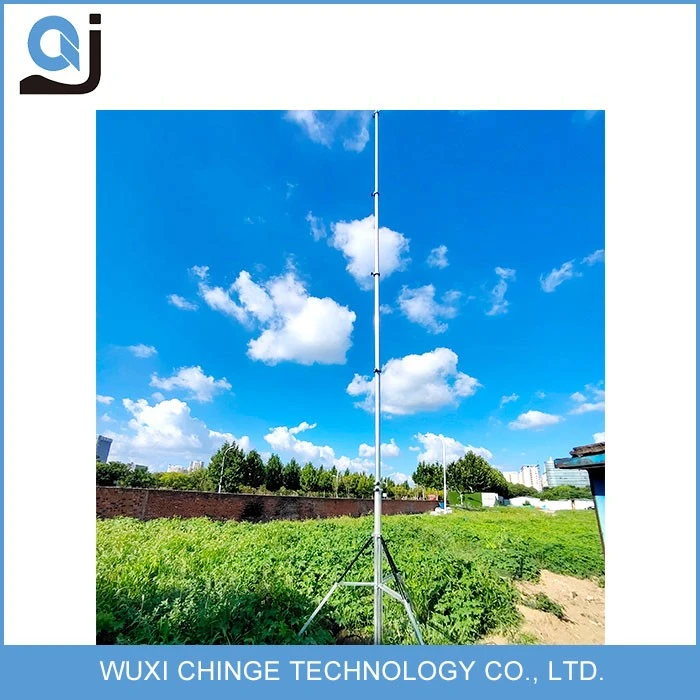
For applications that require a higher height, our 30ft Telescopic Winch Up Mast is a great choice. It can be extended to 30 feet using a winch mechanism, providing a significant increase in the read range for RFID systems.

Conclusion
In conclusion, a push up antenna mast can be a valuable asset for RFID communication. It can improve the read range, offer flexibility, and be cost - effective. However, careful consideration of factors such as frequency compatibility, antenna type, and environmental conditions is necessary to ensure optimal performance.
If you are interested in using a push up antenna mast for your RFID communication needs, we encourage you to contact us for further information and to discuss your specific requirements. Our team of experts is ready to assist you in selecting the right mast and antenna combination for your application.
References
- "RFID Handbook: Fundamentals and Applications in Contactless Smart Cards, Radio Frequency Identification and Near - Field Communication" by Klaus Finkenzeller
- "Antenna Theory: Analysis and Design" by Constantine A. Balanis