




Can I Winch Up a Mast on a Lake?
When it comes to the question of whether one can winch up a mast on a lake, there are multiple aspects to consider. As a supplier of winch up masts, I've encountered various inquiries from customers interested in using our products in different environments, including lakes. In this blog, I'll delve into the technical, safety, and practical considerations related to this topic.
Technical Feasibility
From a technical perspective, winching up a mast on a lake is indeed possible. Our winch up masts, such as the Telescopic Winch Up Mast - 5m Extended Length, are designed with robust mechanisms that can operate effectively under certain conditions. These masts are typically equipped with high - quality winches that can handle the weight and stress of extending the mast.
The key to successful operation on a lake lies in the stability of the base. A stable base is crucial to ensure that the mast remains upright during the winching process. For lake applications, a floating platform or a well - anchored structure can serve as a suitable base. If using a floating platform, it must be designed to withstand the forces exerted by the winching and the movement of the water. The platform should have sufficient buoyancy and be properly balanced to prevent tipping.

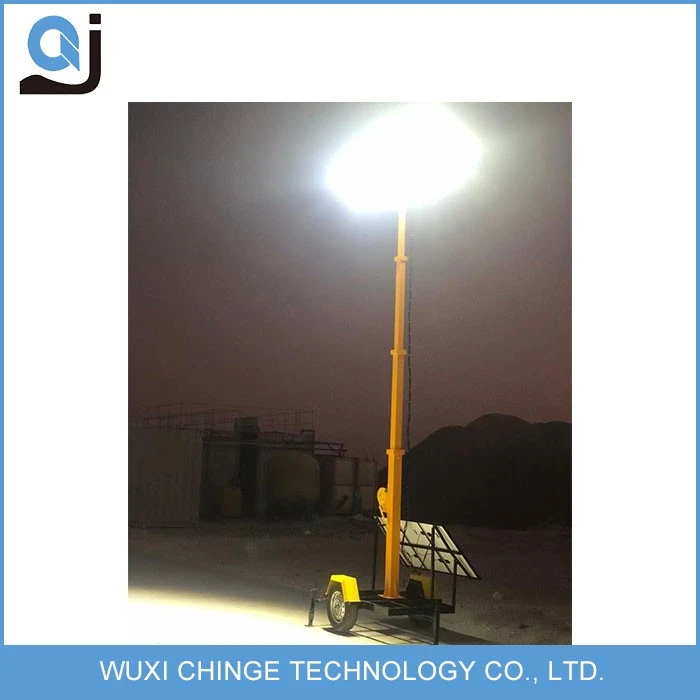
Another technical consideration is the material of the mast. Our masts are made from high - strength materials that are resistant to corrosion, which is essential for lake environments where the mast will be exposed to water. This ensures the long - term durability of the mast and reduces the risk of structural failure.
Safety Considerations
Safety is of utmost importance when winching up a mast on a lake. First and foremost, proper safety equipment should be used. This includes life jackets for all personnel involved in the operation, as well as safety harnesses if working at height on the mast or platform.
The winching operation should be carried out by trained personnel who understand the equipment and the potential hazards. They should be familiar with the winch controls, the weight limits of the mast, and the proper procedures for extending and retracting the mast.
Weather conditions also play a significant role in safety. High winds, storms, or rough waters can make the winching operation extremely dangerous. It's essential to monitor the weather forecast before starting the operation and to stop the winching immediately if adverse weather conditions arise.
In addition, the area around the mast should be clearly marked to prevent other boats or watercraft from approaching too closely during the winching process. This helps to avoid collisions and ensures the safety of everyone on the lake.
Practical Applications
There are several practical applications for winching up a mast on a lake. One common use is for installing communication equipment. A Telescopic Aerial Mast can be used to elevate antennas to improve the range and quality of communication signals over the lake. This is particularly useful for emergency response teams, research vessels, or recreational boaters who need reliable communication.
Another application is for lighting. A Light Tower Mast can be winched up to provide illumination over a large area of the lake. This is beneficial for nighttime activities such as fishing, boating, or security purposes.
Installation and Maintenance
Installing a winch up mast on a lake requires careful planning. First, the base structure needs to be installed securely. If using a floating platform, it should be assembled on land and then transported to the desired location on the lake. The mast should be carefully positioned on the base and connected to the winch system.
Regular maintenance is also essential to ensure the proper functioning of the mast. This includes checking the winch for any signs of wear or damage, lubricating the moving parts, and inspecting the mast for corrosion or structural issues. After each use, the mast should be cleaned to remove any dirt, debris, or saltwater that may have accumulated.
Cost Considerations
The cost of winching up a mast on a lake includes the cost of the mast itself, the base structure, installation, and maintenance. Our winch up masts are competitively priced, but the overall cost can vary depending on the specific requirements of the project. For example, a larger mast with a higher extended length will generally cost more than a smaller one.
The cost of the base structure can also be significant, especially if a custom - designed floating platform is required. Installation costs may include labor, transportation, and any necessary permits. Maintenance costs should also be factored in, as regular inspections and upkeep are necessary to keep the mast in good working condition.
Conclusion
In conclusion, it is possible to winch up a mast on a lake, but it requires careful consideration of technical, safety, practical, installation, and cost factors. As a winch up mast supplier, we offer a range of high - quality products that are suitable for lake applications. Our Telescopic Winch Up Mast - 5m Extended Length, Telescopic Aerial Mast, and Light Tower Mast are designed to meet the diverse needs of our customers.
If you are interested in using our winch up masts for your lake project, we encourage you to contact us for a detailed consultation. Our team of experts can help you choose the right mast, design the appropriate base structure, and provide guidance on installation and maintenance. We are committed to providing you with the best solutions for your winch up mast needs.
References
- Engineering principles of winch systems.
- Safety standards for working on water.
- Corrosion prevention in marine environments.