




Can I Winch Up a Mast on a River?
When it comes to setting up a mast, whether for antennas, lighting, or other purposes, one question that often arises is: Can I winch up a mast on a river? As a winch up mast supplier, I've encountered this query numerous times from customers who are looking to install masts in unique and challenging environments. In this blog post, I'll explore the feasibility, considerations, and potential solutions for winching up a mast on a river.
Feasibility of Winching Up a Mast on a River
The short answer is yes, it is possible to winch up a mast on a river. However, it comes with a set of challenges that need to be carefully addressed. Unlike on land, where the ground provides a stable base, a river presents a dynamic and ever - changing environment. The water's flow, depth, and the condition of the riverbed all play crucial roles in determining the success of the mast installation.
One of the primary concerns is the stability of the base. A mast needs a solid foundation to stand upright and withstand the forces exerted during the winching process and after installation. On a river, this can be achieved through various methods. For example, using a barge or a floating platform as a base can provide a relatively stable surface. These floating structures can be anchored to the riverbed to prevent drifting.
Another aspect to consider is the impact of the water on the winching equipment. Water can cause corrosion and damage to the winch and its components if not properly protected. Specialized winches designed for marine environments are often required. These winches are built with corrosion - resistant materials such as stainless steel and are sealed to prevent water ingress.
Considerations for Winching Up a Mast on a River
- River Conditions: Before attempting to winch up a mast on a river, it's essential to thoroughly assess the river conditions. This includes the water depth, flow rate, and the presence of any obstacles such as rocks or debris. A fast - flowing river can make it difficult to control the mast during the winching process and may require additional stabilization measures.
- Weather Conditions: Weather can have a significant impact on the installation process. High winds, storms, or heavy rain can make the river conditions more treacherous and increase the risk of accidents. It's crucial to choose a suitable weather window for the installation and have contingency plans in place in case of unexpected weather changes.
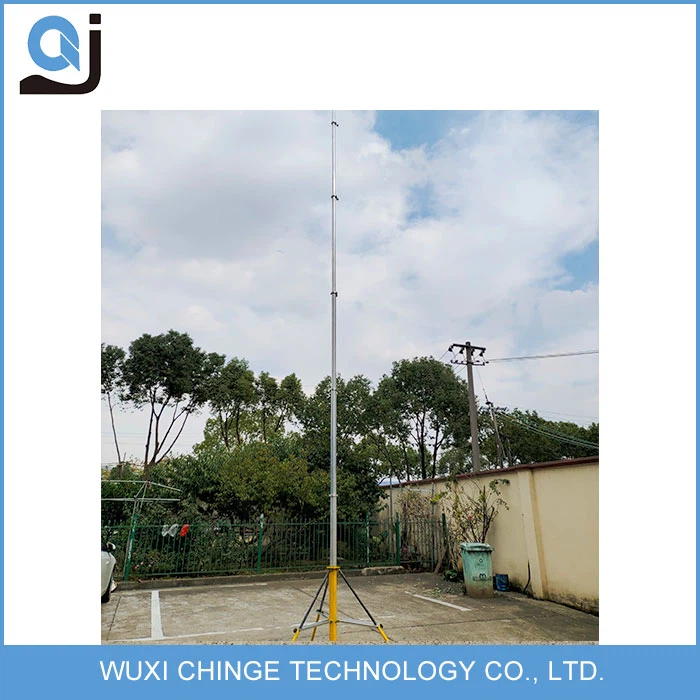
- Mast Design: The design of the mast itself also matters. A lightweight and aerodynamic mast will be easier to handle in the river environment. Telescopic masts, such as the Winch Up Pole, are a popular choice as they can be easily transported and assembled on - site. These masts can be extended to the desired height using a winch, providing flexibility in different river conditions.
- Safety Measures: Safety should always be the top priority. This includes providing proper safety equipment for the installation team, such as life jackets, helmets, and harnesses. Additionally, the winching operation should be carefully planned and supervised to prevent any accidents.
Potential Solutions for Winching Up a Mast on a River
- Floating Platforms: As mentioned earlier, floating platforms can serve as a stable base for the mast. These platforms can be custom - designed to accommodate the size and weight of the mast. They can be made from materials such as steel or aluminum and can be equipped with winching systems and anchor points.
- Tripod Telescoping Masts: Tripod Telescoping Masts are another option for river installations. The tripod design provides additional stability, and the telescoping feature allows for easy height adjustment. These masts can be assembled on a floating platform or directly on the riverbed if the conditions permit.
- Marine - Grade Winches: Investing in high - quality marine - grade winches is essential. These winches are designed to withstand the harsh conditions of the river environment and provide reliable performance. They often come with features such as waterproof controls and high - torque motors for efficient mast winching.
Case Studies
Let's take a look at a couple of real - world examples of winching up masts on rivers.
In a project for a telecommunications company, a 25 - foot telescopic antenna mast was installed on a river to improve signal coverage in a remote area. The installation team used a barge as a base and a marine - grade winch to hoist the mast. The 25 ft Telescoping Antenna Mast was chosen for its ease of installation and portability. The project was successful, and the mast has been providing reliable signal coverage ever since.
Another example is a lighting project on a river for a special event. A floating platform was used to support a mast, and a winch was used to raise the mast to the desired height. The mast was equipped with powerful floodlights to illuminate the area. The installation was carefully planned, taking into account the river conditions and weather forecasts, and it was completed without any major issues.
Conclusion
Winching up a mast on a river is a challenging but achievable task. By carefully considering the river and weather conditions, choosing the right equipment, and implementing proper safety measures, it's possible to install a mast successfully on a river. As a winch up mast supplier, we offer a range of products and solutions suitable for river installations. Our Winch Up Pole, Tripod Telescoping Mast, and 25 ft Telescoping Antenna Mast are designed to meet the unique requirements of river environments.

If you're considering a mast installation on a river or have any questions about our products, we'd be more than happy to assist you. Contact us to discuss your specific needs and explore the best solutions for your project.
References
- Marine Engineering Handbook: Covers various aspects of marine structures and equipment, including floating platforms and winches.
- Telecommunications Infrastructure Installation Guidelines: Provides insights into the installation of antennas and masts in different environments, including rivers.
- Safety Standards for Construction and Installation Work: Outlines the safety requirements for any installation project, especially those in challenging environments.