



Inspecting the mast before winching it up is a critical step that ensures safety, functionality, and longevity of the equipment. As a supplier of winch up masts, I understand the importance of this pre - operation inspection. In this blog, I'll share a detailed guide on how to conduct a thorough inspection of the mast before winching it up.
1. Visual Inspection
The first step in inspecting the mast is a comprehensive visual check. This allows you to identify any obvious signs of damage, wear, or corrosion that could compromise the mast's integrity during the winching process.
Overall Structure
Start by examining the entire mast structure. Look for any visible cracks, bends, or dents. These could weaken the mast and cause it to fail under stress. Pay special attention to the joints and connections between different sections of the mast. Loose or damaged joints can lead to instability and pose a significant safety risk.
Surface Condition
Check the surface of the mast for signs of corrosion. Corrosion can eat away at the metal, reducing its strength and durability. Rust spots, flaking paint, or discoloration are all indicators of corrosion. If you notice any corrosion, it's important to address it before winching the mast up. Depending on the severity, you may need to clean, sand, and repaint the affected areas or replace the damaged sections.
Attachment Points
Inspect all attachment points on the mast, including those for the winch, cables, and any accessories. Make sure the attachment points are secure and free from damage. Loose or damaged attachment points can cause the winch or other components to detach during operation, leading to serious accidents.
2. Check the Winch System
The winch system is responsible for raising and lowering the mast, so it's crucial to ensure it's in proper working condition.
Winch Mechanism
Examine the winch itself for any signs of damage or wear. Check the gears, sprockets, and drums for excessive wear, cracks, or misalignment. Make sure the winch motor is functioning properly and that the controls are responsive. Test the winch by running it through a few cycles at a slow speed to ensure smooth operation.
Cables and Ropes
Inspect the cables or ropes used to raise and lower the mast. Look for fraying, kinking, or broken strands. Damaged cables can break under stress, causing the mast to fall. Check the cable tension and make sure it's evenly distributed. If the cable is too loose, it may slip on the winch drum, while a cable that's too tight can put excessive strain on the winch and the mast.
Safety Features
Verify that all safety features of the winch system are working correctly. This includes limit switches, emergency stop buttons, and overload protection devices. These safety features are designed to prevent accidents and protect the equipment from damage. Test each safety feature to ensure it functions as intended.
3. Evaluate the Foundation and Support
A stable foundation and proper support are essential for the safe operation of the mast.
Foundation Integrity
Check the foundation on which the mast will be installed. Make sure it's level, solid, and capable of supporting the weight of the mast and any additional loads. Look for signs of settlement, cracking, or erosion in the foundation. If the foundation is damaged or unstable, it may need to be repaired or replaced before winching the mast up.

Support Structures
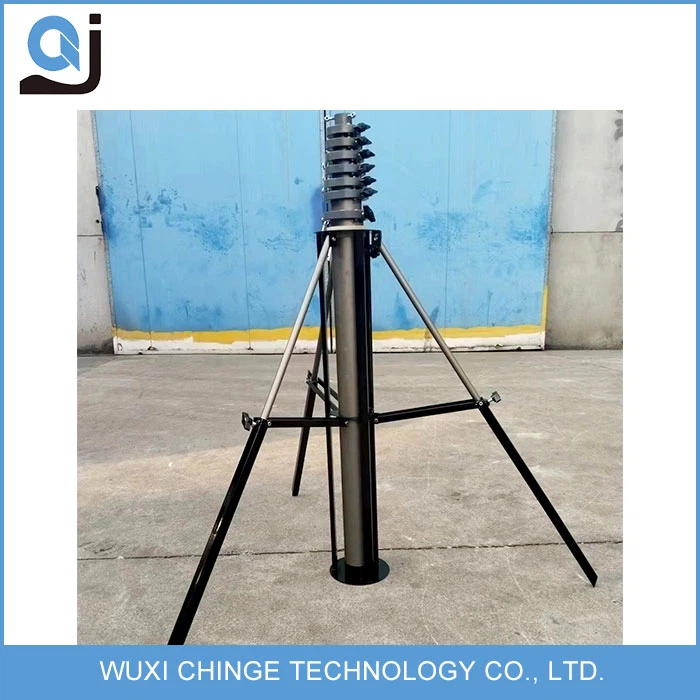
Inspect any support structures, such as guy wires or outriggers. Make sure they are properly installed, tightened, and in good condition. Loose or damaged support structures can cause the mast to sway or collapse during operation. Check the tension of the guy wires and adjust them if necessary.
4. Review the Accessories
Many masts come with various accessories, such as antennas, lights, or cameras. These accessories need to be inspected as well.
Antennas
If the mast is equipped with an antenna, check its condition. Look for any damage to the antenna elements, such as bent or broken rods. Make sure the antenna is properly attached to the mast and that the connections are secure. A damaged or poorly installed antenna can affect its performance and may also pose a safety hazard.
Lights and Cameras
Inspect any lights or cameras mounted on the mast. Check for proper operation, including illumination and image quality. Make sure the power connections are secure and that there are no signs of water damage or electrical problems.
5. Documentation and Training
Before winching the mast up, review all relevant documentation, including the mast's installation manual, maintenance schedule, and safety instructions. Make sure you understand the proper procedures for operating the winch and the mast.
Operator Training
Ensure that the personnel responsible for winching the mast up are properly trained. They should be familiar with the equipment, the inspection process, and the safety procedures. Provide refresher training if necessary to keep the operators' skills up - to - date.
Conclusion
Inspecting the mast before winching it up is a multi - step process that requires attention to detail and a thorough understanding of the equipment. By following these guidelines, you can minimize the risk of accidents, ensure the proper functioning of the mast, and extend its service life.
If you're in the market for a high - quality winch up mast, we offer a wide range of products, including Motorized Telescopic Mast, Motorized Telescoping Antenna Mast, and Portable Telescopic Antenna Mast. Our masts are designed and manufactured to meet the highest standards of quality and safety. If you have any questions or would like to discuss your specific requirements, please don't hesitate to contact us for a procurement negotiation.
References
- Industry standards for mast inspection and maintenance
- Manufacturer's installation and operation manuals for winch up masts