


Hey there! I'm stoked to share with you all about how a 'cell on wheels' operates. As a supplier in this field, I've seen firsthand the ins and outs of these amazing mobile communication units.
What is a Cell on Wheels?
First things first, let's break down what a 'cell on wheels' actually is. Simply put, it's a mobile cell site that can be quickly deployed to areas where there's a need for temporary or emergency communication coverage. Think of it as a self - contained cell tower on wheels. These units are super handy in situations like natural disasters, large events, or areas with poor existing coverage.
The Basics of Operation
A cell on wheels mainly consists of three key components: the tower, the shelter, and the vehicle itself. The vehicle is the base that allows the whole setup to be mobile. It can be a truck or a trailer, depending on the size and requirements of the cell site.
The Tower
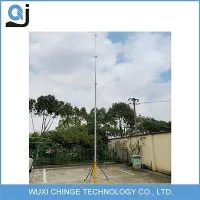
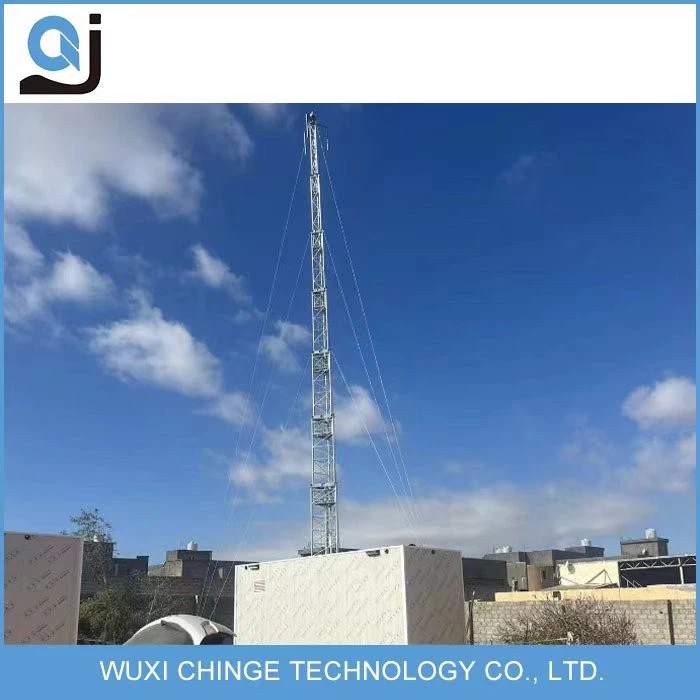
The tower on a cell on wheels is a crucial part. It's designed to be easily assembled and disassembled. When the unit reaches its destination, the tower is erected. The height of the tower can vary, but it's usually tall enough to provide a good line - of - sight for the antennas. The antennas on the tower are responsible for sending and receiving signals. They communicate with mobile devices in the surrounding area, allowing people to make calls, send texts, and access the internet. You can check out more about Cell On Wheels Tower on our website.
The Shelter
The shelter houses all the electronic equipment needed for the cell site to function. Inside the shelter, there are base transceiver stations (BTS), power supplies, and other networking gear. The BTS is like the brain of the cell site. It manages the communication between the mobile devices and the core network. The power supply ensures that all the equipment gets the electricity it needs to operate. Some shelters are also equipped with climate control systems to keep the equipment at the right temperature. You can learn more about Cell On Wheels With Shelter here.

Deployment Process
When a need for a cell on wheels arises, the deployment process kicks off. First, the location is determined. This could be based on factors like the number of people in the area, the existing network coverage, and the nature of the event or emergency. Once the location is set, the cell on wheels is dispatched.
When it arrives at the site, the team starts the setup. The vehicle is parked in a suitable spot, and the tower is erected. This usually involves a hydraulic system or a winch to lift the tower into place. After the tower is up, the antennas are installed and aligned properly. Then, the shelter is connected to the tower, and all the equipment inside the shelter is powered on and configured.
Connectivity
A cell on wheels needs to be connected to the core network to provide full - fledged communication services. There are a few ways to achieve this. One common method is through a microwave link. A microwave antenna on the tower communicates with a nearby microwave station, which is connected to the core network. Another option is to use a fiber - optic connection if available at the site. This provides a high - speed and reliable connection.
Maintenance and Monitoring
Just like any other piece of equipment, a cell on wheels requires regular maintenance. The tower needs to be inspected for any signs of wear and tear, especially after being moved around. The equipment inside the shelter also needs to be checked regularly. This includes things like cleaning the fans, checking the power supply, and updating the software on the BTS.
Monitoring is also crucial. We use remote monitoring systems to keep an eye on the performance of the cell on wheels. These systems can detect issues like low power, equipment failures, or abnormal signal levels. If a problem is detected, the maintenance team can be dispatched to fix it quickly.
Advantages of Using a Cell on Wheels
There are several reasons why a cell on wheels is a great solution. Firstly, it's highly flexible. It can be moved from one location to another as needed, making it ideal for temporary events or emergency situations. Secondly, it can be deployed quickly. In a matter of hours, a cell on wheels can be up and running, providing communication services when they are most needed. Thirdly, it can fill in the gaps in areas with poor network coverage, ensuring that people in those areas can stay connected.
Different Types of Cell on Wheels
There are various types of cell on wheels to suit different needs. Some are designed for large - scale events, like concerts or sports games. These usually have more powerful equipment and larger towers to cover a wider area. Others are more suitable for emergency situations, like natural disasters. These are often more compact and easier to deploy in difficult terrains. You can explore different options on our Cell Site On Wheels page.
Conclusion
So, there you have it - a detailed look at how a cell on wheels operates. These mobile cell sites are truly a game - changer in the world of communication. They provide a reliable and flexible solution for areas in need of temporary or emergency network coverage.
If you're in the market for a cell on wheels, whether it's for an event, an emergency response plan, or to fill in coverage gaps, we're here to help. We offer high - quality cell on wheels with top - notch equipment and excellent support. Don't hesitate to reach out to us to discuss your requirements and get a quote. Let's work together to keep your area connected!
References
- Telecommunication Industry Association (TIA) standards on mobile cell sites
- Research papers on emergency communication systems