


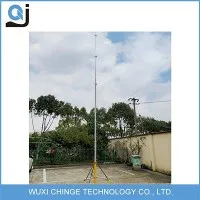
Hey there! I'm a supplier of "cell on wheels", and today I wanna chat about how these awesome mobile cell solutions integrate with the grid.
First off, let's quickly explain what "cell on wheels" is. It's a mobile cellular base station that can be easily transported and set up wherever there's a need for mobile connectivity. Whether it's for a temporary event, a disaster - relief area, or a rural spot that lacks proper coverage, cell on wheels comes to the rescue.
Powering Up: The Basics of Grid Integration
One of the key aspects of integrating cell on wheels with the grid is power supply. Just like a regular cell tower, these mobile units need a stable source of electricity to function. Most of the time, when they're in an area with access to the power grid, they can be directly connected to it. This connection is pretty similar to how any other electrical device gets plugged in. The power is used to run the radio equipment, the cooling systems to keep the electronics from overheating, and the control systems that manage the whole operation.
However, it's not always as simple as just plugging in. The grid has its own set of standards and requirements. We need to make sure that the cell on wheels equipment is compatible with the local grid voltage and frequency. In different parts of the world, the grid can have different characteristics. For example, in some countries, the voltage is 110V, while in others, it's 220V. Our cell on wheels units are designed to be flexible and adaptable to these differences. We use power converters and regulators to ensure that the equipment gets the right amount of power at the right voltage and frequency.
Communication and Synchronization
Another important part of integration is communication. The cell on wheels needs to communicate with the rest of the cellular network, which is often connected to the grid - based infrastructure. There are different ways to achieve this. One common method is through fiber - optic connections. When there's a fiber - optic network available, we can use it to connect the cell on wheels to the core network. This provides a high - speed and reliable communication link, allowing for seamless data transfer and call handling.
But what if there's no fiber - optic network? Well, we also have other options. Wireless backhaul is a popular alternative. It uses radio waves to establish a connection between the cell on wheels and the nearest base station or a network hub. This way, even in areas where laying fiber is difficult or impossible, the cell on wheels can still be integrated into the larger network.
Synchronization is also crucial. The cell on wheels needs to be in sync with the rest of the network in terms of time and frequency. This ensures that calls and data transmissions are coordinated properly. We use GPS - based synchronization systems to keep everything in line. The GPS signal provides an accurate time reference, which helps the cell on wheels adjust its operations to match the rest of the network.


Advantages of Grid - Integrated Cell on Wheels
There are several benefits to integrating cell on wheels with the grid. For one, it provides a more stable power source compared to relying solely on batteries or generators. Batteries have a limited capacity and need to be recharged regularly, while generators require fuel and maintenance. By connecting to the grid, we can ensure continuous operation without the hassle of constantly refueling or recharging.
It also allows for better management and monitoring. When the cell on wheels is connected to the grid, we can remotely monitor its performance, power consumption, and other important parameters. This helps us detect and address any issues quickly, reducing downtime and improving the overall quality of service.
Our Product Offerings
As a supplier, we have a range of cell on wheels products to meet different needs. Check out our Open Trailer Towers Cell On Wheels. It's a great option for those who need a flexible and easy - to - deploy solution. The open - trailer design makes it convenient to access and maintain the equipment, and it can be quickly set up in various locations.
If you need a taller tower for better coverage, our Mobile Trailer Tower 30m is the way to go. With a 30 - meter tower, it can reach a wider area, making it suitable for large events or areas with challenging terrain.
And of course, our Cell Tower On Wheels is a versatile all - in - one solution. It combines the tower, the radio equipment, and the power systems into a single mobile unit, ready to be deployed wherever there's a need for mobile connectivity.
Contact Us for Procurement
If you're interested in our cell on wheels products and want to learn more about how they can integrate with your existing grid infrastructure, we'd love to hear from you. Whether you're a telecom operator looking to expand your coverage, an event organizer in need of temporary connectivity, or a disaster - relief agency planning for emergency communication, we have the solutions for you. Reach out to us for a detailed discussion about your requirements and how our products can meet them.
References
- Smith, J. (2020). Mobile Cellular Network Technologies. Publisher X.
- Johnson, A. (2019). Power Systems for Telecommunications. Publisher Y.