




Preventing mast sway during the cranking - up process is a crucial concern for many users, and as a reliable crank up mast supplier, we understand the importance of providing effective solutions. In this blog, we will explore various strategies and techniques to minimize mast sway and ensure a stable and safe operation.
1. Understanding the Causes of Mast Sway
Before we delve into prevention methods, it's essential to understand what causes mast sway during the cranking - up process. One of the primary factors is uneven weight distribution. If the load on the mast is not balanced, it can create an imbalance that leads to swaying. For example, if the antenna or other equipment attached to the mast is not centered properly, it can cause the mast to tilt and sway.
Another cause is wind resistance. As the mast is being cranked up, wind can exert a significant force on it. The shape and size of the mast, as well as the height it reaches, can all affect how much wind resistance it experiences. A taller mast is generally more susceptible to wind - induced sway than a shorter one.
The mechanical components of the cranking system can also contribute to sway. If the winch or other parts of the system are not functioning smoothly, it can cause jerky movements that lead to mast sway. For instance, a worn - out winch cable or a misaligned pulley can disrupt the smooth cranking - up process.
2. Proper Installation and Setup
Proper installation is the first step in preventing mast sway. The foundation on which the mast is installed must be stable. A weak or uneven foundation can cause the mast to shift during the cranking - up process. For example, if the mast is installed on soft ground, it may sink or tilt, leading to sway. We recommend using a concrete base or other sturdy foundations to ensure stability.
The mast should be installed vertically. Even a slight deviation from the vertical can cause the mast to sway as it is being cranked up. Use a level to ensure that the mast is perfectly vertical before starting the installation process. Additionally, all the connections between the mast sections and any attached equipment should be secure. Loose connections can cause vibrations and sway.
3. Weight Distribution Management
As mentioned earlier, uneven weight distribution is a major cause of mast sway. When attaching equipment such as antennas to the mast, make sure to center them properly. Use a balance scale or other measuring tools to ensure that the weight is evenly distributed around the mast.
If you need to attach multiple pieces of equipment, consider their combined weight and distribution. Try to arrange them in a way that the center of gravity remains as close to the center of the mast as possible. For example, if you have two antennas of different weights, place the heavier one closer to the base of the mast to counterbalance the weight.
4. Wind Mitigation Strategies
Wind can be a significant challenge when it comes to preventing mast sway. One effective strategy is to install wind - resistant mast designs. Electric Telescoping Mast and Winch Up Mast often come with aerodynamic features that reduce wind resistance. These masts are designed to minimize the surface area exposed to the wind, thereby reducing the force exerted on them.
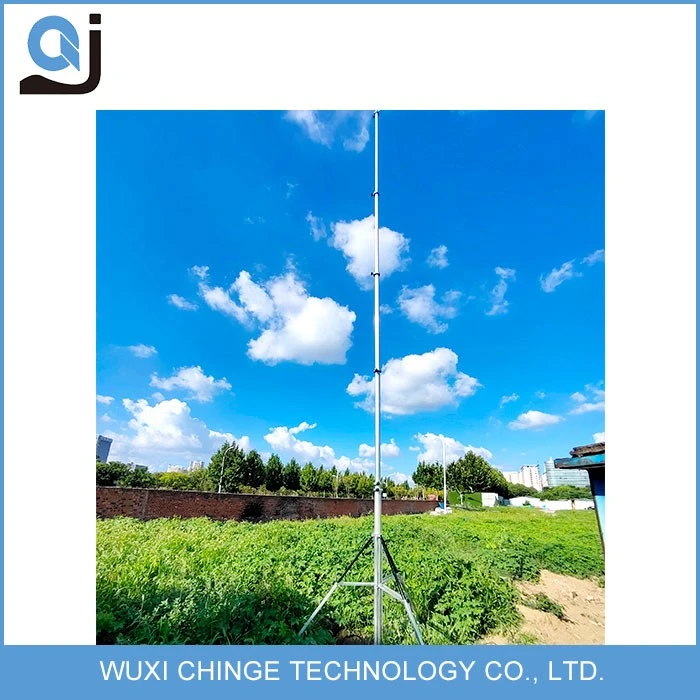
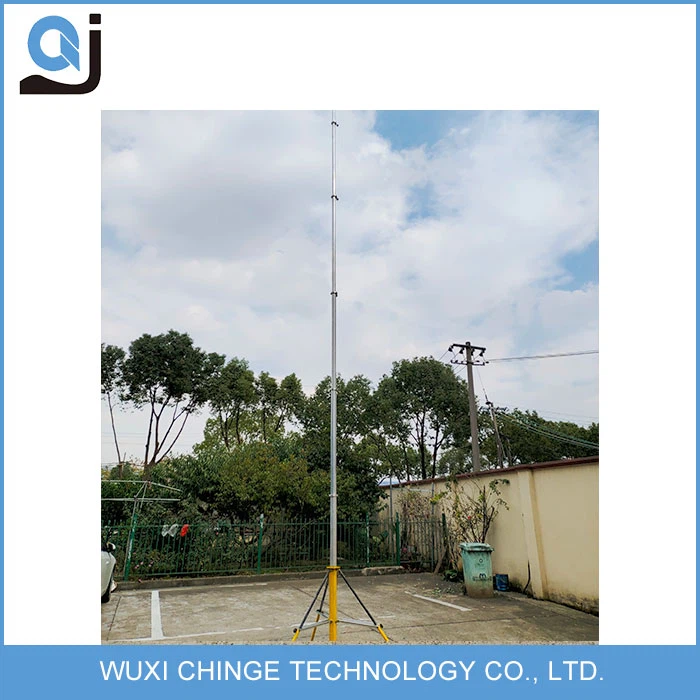
Another option is to use guy wires. Guy wires are cables that are attached to the mast at various points and anchored to the ground. They provide additional support and stability, especially in windy conditions. Make sure to install the guy wires at the correct angles and tensions. Too loose or too tight guy wires can cause more problems than they solve.
You can also monitor the weather conditions before cranking up the mast. If the wind speed is too high, it may be best to wait until the conditions improve. There are many weather forecasting apps and websites available that can provide accurate wind speed and direction information.
5. Maintenance of Mechanical Components
Regular maintenance of the cranking system is essential to prevent mast sway. Inspect the winch cable regularly for signs of wear and tear. Replace any damaged cables immediately to avoid sudden breaks or jerky movements during the cranking - up process.
Check the pulleys and other moving parts for proper alignment and lubrication. A well - lubricated system will operate more smoothly, reducing the chances of sway. If you notice any unusual noises or movements during the cranking process, stop immediately and inspect the system for problems.
6. Training and Operator Skills
The skills of the operator also play a crucial role in preventing mast sway. Provide proper training to the operators on how to use the cranking system correctly. They should know how to start and stop the cranking process smoothly, how to adjust the speed, and how to handle any unexpected situations.
An experienced operator will be able to detect early signs of sway and take corrective actions. For example, if they notice that the mast is starting to sway slightly, they can slow down the cranking speed or make minor adjustments to the system.
7. Utilizing Advanced Technologies
There are some advanced technologies available that can help in preventing mast sway. For example, some masts are equipped with sensors that can detect sway and automatically adjust the cranking speed or other parameters to correct it. These sensors can provide real - time feedback to the operator, allowing for more precise control of the cranking - up process.
Another technology is the use of hydraulic or electric actuators. These actuators can provide more precise and smooth movements compared to traditional winch systems. They can also be programmed to adjust the mast's position based on various factors such as wind speed and weight distribution.
8. Conclusion and Call to Action
Preventing mast sway during the cranking - up process requires a combination of proper installation, weight distribution management, maintenance, and operator skills. By following the strategies outlined in this blog, you can significantly reduce the chances of mast sway and ensure a safe and stable operation.
As a leading crank up mast supplier, we offer a wide range of high - quality masts, including Electric Telescoping Mast, Winch Up Mast, and Telescoping Mast For Antenna. Our masts are designed with the latest technologies and materials to provide maximum stability and performance.
If you are interested in purchasing our products or have any questions about preventing mast sway, we encourage you to contact us for a detailed discussion. Our team of experts is ready to assist you in finding the best solutions for your specific needs.
References
- Engineering principles of mast design and stability
- Industry standards for mast installation and operation
- Technical manuals of winch and mast systems