


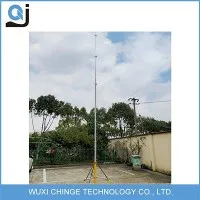

Hey there! As a supplier of crank up masts, I've seen my fair share of these bad boys in action. One of the most common questions I get from customers is, "What are the signs that a mast is ready to be cranked up?" Well, you're in luck because I'm gonna break it down for you in this blog post.
1. Physical Inspection
First things first, you gotta do a good old - fashioned physical inspection of the mast. Check for any visible damage like cracks, dents, or rust. Cracks can weaken the structure of the mast, making it unsafe to crank up. Dents might not seem like a big deal at first, but they can affect the mast's ability to extend smoothly. And rust? That's a clear sign of corrosion, which can eat away at the metal over time.
If you notice any of these issues, it's a red flag. You might need to repair or replace the damaged parts before you even think about cranking it up. A mast in poor physical condition is like a ticking time - bomb; it could fail when you least expect it.
2. Lubrication
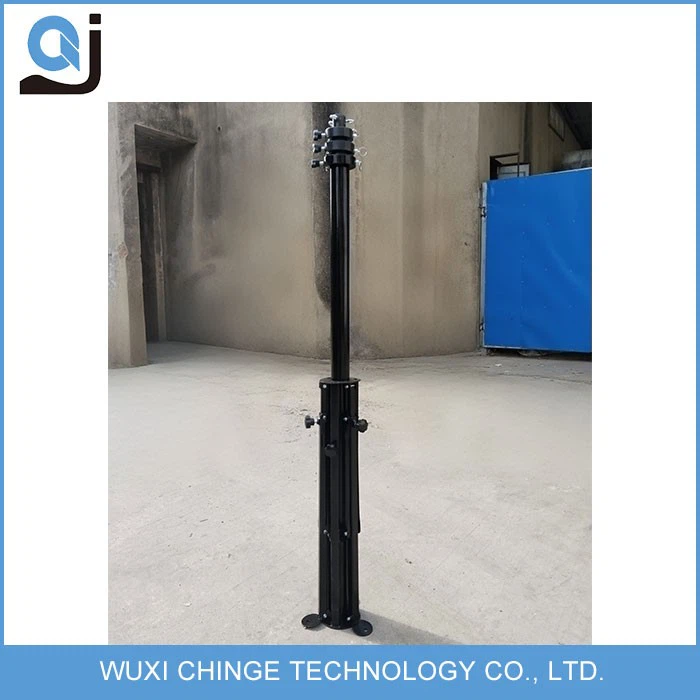
Another important sign that a mast is ready to be cranked up is proper lubrication. The moving parts of the mast, such as the telescopic sections and the crank mechanism, need to be well - lubricated. Without enough lubrication, these parts can experience excessive friction, which not only makes it harder to crank the mast up but also increases the wear and tear on the components.
You should check the lubrication levels regularly. If the lubricant looks dry or dirty, it's time to add more or replace it. There are different types of lubricants available, so make sure you use the one recommended by the mast's manufacturer. For example, some masts might require a high - temperature lubricant if they're going to be used in hot environments.
3. Stability
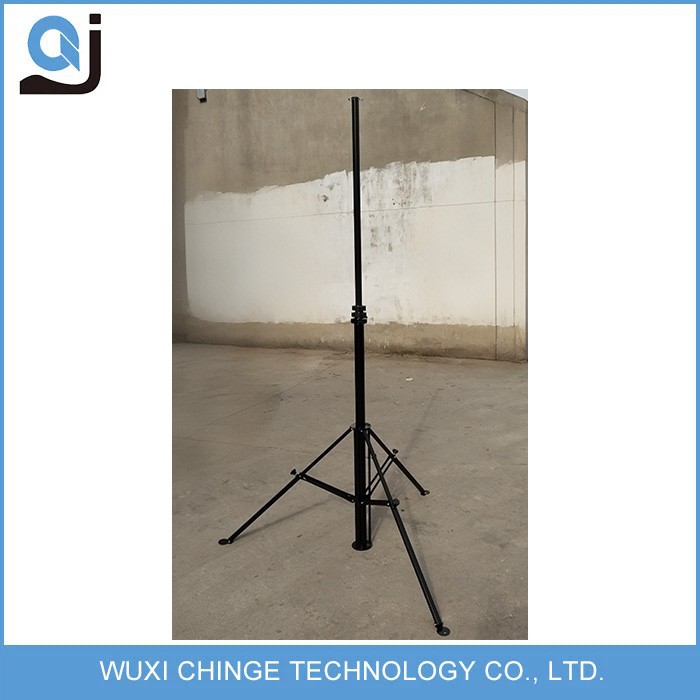
A stable base is crucial for a mast to be safely cranked up. Before you start cranking, make sure the mast is properly installed on a flat and sturdy surface. If the base is wobbly or uneven, the mast can tilt or even topple over when you try to raise it.
You can check the stability by gently pushing on the mast at the base. If it moves more than a little bit, you need to adjust the base or add additional support. Some masts come with adjustable feet that can be used to level the base on uneven ground. Others might require concrete footings for maximum stability.
4. Cable and Winch Inspection
Most crank up masts use cables and winches to raise and lower the mast. You need to inspect these components carefully. Check the cables for any signs of fraying, kinking, or excessive wear. A frayed cable can snap under the stress of cranking up the mast, which is extremely dangerous.
The winch should also be in good working condition. Make sure the gears are engaging properly and that the handle turns smoothly. If you notice any strange noises or resistance when turning the winch handle, there could be a problem with the winch mechanism.
5. Electrical Connections (if applicable)
If your mast has electrical components, such as lights or antennas, you need to check the electrical connections. Loose or damaged connections can cause electrical shorts or malfunctions. Inspect the wires for any signs of damage, and make sure all the connectors are securely plugged in.
You can use a multimeter to test the electrical continuity of the wires. This will help you identify any breaks in the circuit. If you're not comfortable working with electricity, it's best to hire a professional to do the inspection for you.
6. Weather Conditions
Weather can have a big impact on whether a mast is ready to be cranked up. High winds, heavy rain, or snow can make it unsafe to raise the mast. Strong winds can put a lot of stress on the mast, increasing the risk of it bending or breaking.
Before you crank up the mast, check the weather forecast. If there are high winds or other adverse weather conditions expected, it's better to wait until the weather improves. You don't want to take unnecessary risks with your mast.
7. Load Capacity
Finally, you need to make sure that the mast can handle the load you're planning to attach to it. Different masts have different load capacities, which are usually specified by the manufacturer. If you're going to attach heavy antennas or other equipment to the mast, make sure the total weight is within the mast's rated capacity.
Overloading the mast can cause it to fail, so it's important to be careful. You can calculate the total weight of the equipment you're going to attach and compare it to the mast's load capacity. If you're not sure, you can always contact the manufacturer or a professional engineer for advice.
Now, if you're in the market for a high - quality crank up mast, we've got you covered. We offer a wide range of products, including Antenna Push Up Pole, Push Up Pole Mast, and Crank Up Pole. Our masts are built to last and are designed to meet the highest safety standards.
If you have any questions or if you're interested in purchasing a crank up mast, don't hesitate to reach out. We're here to help you find the perfect mast for your needs. Whether you're a professional installer or a DIY enthusiast, we've got the right solution for you.
References
- Mast installation and maintenance manuals from various manufacturers.
- Industry standards and guidelines for mast safety and operation.