


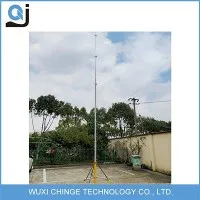
As a provider of mobile cells on wheels, I've witnessed firsthand the remarkable evolution of this technology. Mobile cells on wheels are a game - changer in the telecommunications industry, offering flexibility, rapid deployment, and reliable connectivity in various scenarios. One of the key aspects that determine the performance and durability of these mobile units is the materials used in their construction. In this blog, I'll explore the commonly used materials for building mobile cells on wheels and explain why they are so crucial.
Steel
Steel is perhaps the most ubiquitous material in the construction of mobile cells on wheels. Its strength and durability make it an ideal choice for the structural framework. When we talk about mobile units that need to be transported from one location to another, they are subject to various stresses such as vibrations during transit, wind forces when set up, and the weight of the equipment they carry.
High - strength steel alloys, like ASTM A572 Grade 50, are often used. These alloys have a yield strength of 50,000 psi, which means they can withstand significant loads without deforming. The chassis of a mobile cell on wheels, which supports the entire structure, is typically made of steel. It provides a stable base for mounting the tower, the generator, and other essential components.
Moreover, steel is highly resistant to corrosion when properly treated. Galvanization is a common process where a layer of zinc is applied to the steel surface. This zinc layer acts as a sacrificial anode, protecting the underlying steel from rusting. This is particularly important as mobile cells on wheels are often deployed in outdoor and sometimes harsh environments. Whether it's a coastal area with high salt content in the air or a humid tropical region, galvanized steel can ensure the long - term integrity of the structure. You can learn more about different types of mobile cells on wheels at Cell Tower On Wheels.
Aluminum
Aluminum is another material that finds extensive use in mobile cells on wheels, especially for non - structural components. One of the main advantages of aluminum is its low density. It is about one - third the weight of steel, which is a significant benefit when it comes to mobility. A lighter mobile unit requires less fuel for transportation, reducing operational costs.
Aluminum is also highly resistant to corrosion. Unlike steel, aluminum forms a thin oxide layer on its surface when exposed to air, which acts as a protective barrier against further oxidation. This makes it suitable for applications where the component is in direct contact with the elements, such as enclosures for electrical equipment.
In addition, aluminum is easy to machine and form. It can be extruded into various shapes, allowing for the creation of custom - designed parts. For example, the outer panels of a mobile cell on wheels can be made of aluminum. These panels not only provide a protective covering for the internal components but also contribute to the aesthetic appeal of the unit. If you are interested in the communication - related aspects of mobile cells on wheels, check out Communication On Wheels.
Fiberglass
Fiberglass is a composite material made of fine glass fibers embedded in a resin matrix. It is commonly used in the construction of mobile cells on wheels for its excellent insulation properties. In a mobile cell, there are many electrical and electronic components that generate heat. Fiberglass can be used to create insulation barriers to prevent the transfer of heat between different parts of the unit.


Fiberglass is also lightweight and has good mechanical strength. It can be molded into complex shapes, making it suitable for creating enclosures and covers. For instance, the radome, which protects the antenna from environmental factors while allowing radio waves to pass through, is often made of fiberglass. The transparency of fiberglass to electromagnetic waves makes it an ideal material for this application.
Another advantage of fiberglass is its resistance to chemicals and moisture. In a mobile cell on wheels, there may be exposure to various chemicals, such as cleaning agents or pollutants in the environment. Fiberglass can withstand these chemicals without significant degradation, ensuring the long - term performance of the component.
Concrete
Concrete is mainly used for the ballast and foundation of mobile cells on wheels. When a mobile cell is set up, it needs to be stable to withstand wind and other external forces. Concrete provides the necessary weight and stability. Pre - cast concrete blocks are often used as ballast. These blocks can be easily transported and installed at the deployment site.
The foundation of a mobile cell on wheels may also be made of concrete. A concrete foundation can distribute the weight of the entire unit evenly over the ground, preventing it from sinking or tipping over. In some cases, a shallow concrete pad is poured at the site, and the mobile cell is then mounted on top of it. This provides a stable base for the tower and other equipment. You can explore more about the different setups of mobile cells on wheels at Open Trailer Towers Cell On Wheels.
Wood
Although not as common as the other materials mentioned above, wood still has its place in the construction of mobile cells on wheels. Wood is often used for interior finishing and some non - critical structural components. It provides a warm and comfortable environment inside the mobile unit.
Plywood, for example, can be used for creating partitions and shelves. It is relatively lightweight, easy to cut, and can be finished with various paints or veneers. However, wood needs to be properly treated to resist moisture, pests, and fire. Pressure - treated wood is commonly used to increase its durability and resistance to decay.
Electrical Wiring and Cables
When it comes to the electrical system of a mobile cell on wheels, high - quality wiring and cables are essential. Copper is the most commonly used material for electrical conductors due to its excellent electrical conductivity. It allows for efficient transmission of electricity with minimal loss.
The cables are often insulated with materials such as PVC (Polyvinyl Chloride) or XLPE (Cross - Linked Polyethylene). PVC is a cost - effective insulation material that provides good electrical insulation and mechanical protection. XLPE, on the other hand, has better thermal and electrical properties, making it suitable for high - voltage applications.
Conclusion
The choice of materials for building a mobile cell on wheels is a carefully considered process. Each material brings its unique properties to the table, and the combination of these materials ensures the performance, durability, and mobility of the unit. Steel provides the structural strength, aluminum offers lightness and corrosion resistance, fiberglass gives insulation and moldability, concrete adds stability, wood provides a comfortable interior, and electrical wiring and cables enable the flow of power and communication.
If you are in the market for a mobile cell on wheels, understanding the materials used in its construction is crucial. It will help you make an informed decision and choose a unit that meets your specific requirements. Whether you need a mobile cell for temporary communication in a remote area or for emergency response, we are here to assist you. We invite you to contact us for procurement and further discussions. We can customize the mobile cell on wheels according to your needs, ensuring that you get the best solution for your telecommunications challenges.
References
- ASTM International. (2023). ASTM A572/A572M - 23 Standard Specification for High - Strength Low - Alloy Columbium - Vanadium Structural Steel.
- Aluminum Association. (2023). Properties and Applications of Aluminum.
- Fiberglass Manufacturers Association. (2023). Fiberglass: A Versatile Composite Material.
- Concrete Institute. (2023). Design and Use of Concrete in Mobile Structures.