


In the dynamic and ever - evolving realm of telecommunications, ensuring seamless connectivity is of paramount importance. One of the innovative solutions that have emerged to address the challenges of providing reliable network coverage is the Cell Site on Wheels (COW). As a supplier of COWs, I am frequently asked about the handover success rate of a cell site on wheels, and in this blog, I aim to delve into this topic comprehensively.
Understanding Cell Site on Wheels
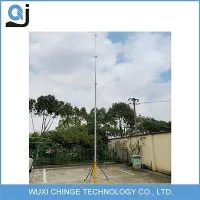
A Cell Site on Wheels is a mobile telecommunications facility that can be quickly deployed to areas where temporary or emergency network coverage is required. These units are equipped with all the necessary components of a traditional cell site, including antennas, base stations, and power systems, all mounted on a vehicle. This mobility allows them to be rapidly moved to different locations, making them ideal for events, natural disasters, or areas with seasonal population fluctuations.
There are different types of COWs available in the market. For instance, you can explore Cows Cell On Wheels, which offers a range of features designed to meet diverse connectivity needs. Another option is Cell On Wheels With Shelter, which provides additional protection for the equipment, ensuring its longevity and reliability even in harsh environmental conditions. And if you are looking for a more robust solution, Cell Tower On Wheels offers a complete mobile cell tower system.
What is Handover in Telecommunications?
Before we discuss the handover success rate of a COW, it is essential to understand what handover means in the context of telecommunications. Handover, also known as handoff, is the process of transferring an ongoing call or data session from one cell site to another as a mobile device moves through different coverage areas. This process is crucial for maintaining uninterrupted communication and ensuring a seamless user experience.
There are two main types of handovers: hard handover and soft handover. In a hard handover, the connection to the old cell site is completely terminated before the connection to the new cell site is established. This type of handover is more common in older cellular networks. In contrast, a soft handover allows the mobile device to maintain a connection with both the old and new cell sites simultaneously for a short period, reducing the likelihood of call drops or service interruptions. Soft handovers are typically used in more advanced cellular networks, such as 3G, 4G, and 5G.
Factors Affecting the Handover Success Rate of a Cell Site on Wheels
The handover success rate of a COW can be influenced by several factors, including:
Signal Strength
A strong and stable signal is essential for a successful handover. If the signal strength from the COW is weak, the mobile device may not be able to establish a reliable connection with the new cell site, leading to a failed handover. Factors such as distance from the COW, obstacles in the signal path, and interference from other sources can all affect the signal strength.
Network Congestion
High network congestion can also impact the handover success rate. When a large number of mobile devices are trying to connect to the same COW or nearby cell sites, the network may become overloaded, resulting in slower data speeds and increased likelihood of handover failures. This is particularly common in areas with high population density or during large events.
Mobility of the COW
Since a COW is a mobile unit, its movement can introduce additional challenges for handover. The speed and direction of the COW's movement can affect the signal strength and coverage area, making it more difficult for the mobile device to maintain a stable connection during the handover process.
Compatibility with Existing Networks
The COW must be compatible with the existing telecommunications network infrastructure to ensure a successful handover. This includes compatibility with the frequency bands, protocols, and signaling systems used by the network. Incompatibility issues can lead to handover failures and service disruptions.
Measuring the Handover Success Rate
The handover success rate is typically measured as the ratio of successful handovers to the total number of attempted handovers. This metric can be calculated over a specific period of time or for a particular area. A high handover success rate indicates that the COW is able to provide reliable and seamless connectivity, while a low success rate may suggest that there are issues with the COW's performance or the network environment.
Telecom operators and network engineers use various tools and techniques to measure the handover success rate. These may include network monitoring software, drive testing, and data analytics. By analyzing the handover success rate data, they can identify areas for improvement and take appropriate measures to optimize the performance of the COW.


Improving the Handover Success Rate of a Cell Site on Wheels
As a COW supplier, we are committed to helping our customers improve the handover success rate of their mobile cell sites. Here are some strategies that can be employed:
Optimizing Signal Strength
To ensure a strong and stable signal, the COW should be equipped with high - quality antennas and power amplifiers. The placement of the COW should also be carefully considered to minimize signal interference and maximize coverage. Additionally, regular maintenance and calibration of the equipment can help to ensure optimal signal performance.
Managing Network Congestion
To reduce network congestion, the COW can be configured to support a larger number of concurrent connections. This may involve increasing the bandwidth capacity of the base station or implementing traffic management techniques, such as load balancing. Telecom operators can also work with event organizers to estimate the expected number of users and deploy additional COWs if necessary.
Minimizing the Impact of Mobility
To minimize the impact of the COW's mobility on handover, advanced handover algorithms can be implemented. These algorithms can take into account the speed and direction of the COW's movement and adjust the handover process accordingly. Additionally, the COW can be equipped with sensors and GPS technology to provide real - time information about its location and movement.
Ensuring Compatibility
Before deploying a COW, it is important to ensure that it is fully compatible with the existing network infrastructure. This may involve working closely with the telecom operator to test the COW's compatibility with the network's frequency bands, protocols, and signaling systems. Regular software updates can also be provided to ensure that the COW remains compatible with the latest network standards.
Conclusion
The handover success rate of a cell site on wheels is a critical metric that reflects the reliability and performance of the mobile cell site. By understanding the factors that affect the handover success rate and implementing appropriate strategies to improve it, telecom operators can ensure seamless connectivity for their users. As a COW supplier, we are dedicated to providing high - quality products and services that meet the needs of our customers. If you are interested in learning more about our COW solutions or would like to discuss your specific requirements, we invite you to contact us for a procurement consultation. We look forward to working with you to enhance your network infrastructure and provide a better user experience.
References
- Rappaport, T. S. (2002). Wireless Communications: Principles and Practice. Prentice Hall.
- Andrews, J. G., Buzzi, S., Choi, W., Hanly, S. V., Lozano, A., Soong, A. C. K., & Zhang, J. C. (2014). What will 5G be? IEEE Journal on Selected Areas in Communications, 32(6), 1065 - 1082.
- Holma, H., & Toskala, A. (2004). WCDMA for UMTS: Radio Access for Third Generation Mobile Communications. Wiley.