




The installation process of a telescopic mobile tower on a flat ground is a meticulous and well - orchestrated task that demands careful planning, technical expertise, and adherence to safety protocols. As a seasoned telescopic mobile tower supplier, I am well - versed in the intricacies of this process and am eager to share the details with you.
Pre - installation Preparations
Before the actual installation begins, a series of preparatory steps are crucial. First and foremost, a site survey is conducted. This involves assessing the flat ground where the tower will be installed. We need to ensure that the ground has the appropriate load - bearing capacity. A soil test might be necessary to determine the soil type and its ability to support the weight of the tower, especially when the tower is fully extended. The flat ground should also be free from any underground utilities such as water pipes, gas lines, or electrical cables. Any potential interference with these utilities could lead to serious safety hazards during installation and in the tower's operation.
Another important aspect of pre - installation is the gathering of all necessary tools and equipment. This includes cranes for lifting the tower components, wrenches for tightening bolts, safety harnesses for workers, and leveling devices to ensure the tower is installed perfectly upright. Additionally, all the tower components should be carefully inspected for any damage during transportation. As a supplier, we ensure that our telescopic mobile towers are thoroughly tested before leaving the factory, but a final on - site inspection is still a must to guarantee that all parts are in good condition.
Assembly of Tower Components
Once the site is prepared and all tools are ready, the assembly of the tower components can commence. Our telescopic mobile towers usually come in modular sections for easy transportation and installation. The base section is the first to be installed. It is carefully placed on the flat ground and leveled using a spirit level or a laser leveling device. The base is then securely anchored to the ground. This can be done using concrete footings or ground screws, depending on the soil conditions and the weight of the tower. Concrete footings are more suitable for areas with softer soil, as they provide a stable and solid foundation. Ground screws, on the other hand, are quicker to install and can be used in areas where digging large holes for concrete footings is not feasible.
After the base is installed, the telescopic sections are assembled one by one. These sections are designed to fit precisely into each other, allowing for smooth extension and retraction. Workers use appropriate lifting equipment to hoist the sections into place and connect them using bolts and nuts. Each connection point is carefully tightened to ensure the structural integrity of the tower. As a supplier, we provide detailed installation manuals that specify the torque requirements for each bolt, ensuring that the tower is assembled correctly.
Installation of Accessories
Once the main tower structure is assembled, it's time to install the accessories. This may include antennas, lights, and monitoring equipment. Antennas are a critical component, especially for Portable Cell Tower applications. They need to be installed at the appropriate height and angle to ensure optimal signal transmission and reception. Workers use specialized tools to mount the antennas securely on the tower. Lights are often installed for safety reasons, especially if the tower is located in an area where it may pose a hazard to aircraft or vehicles at night. Monitoring equipment, such as sensors for wind speed and tower inclination, can also be installed to ensure the tower's safe operation.
Testing and Commissioning
After the installation of the tower and its accessories is complete, a series of tests are conducted. The first test is the extension and retraction test. The tower is extended to its full height and then retracted back to its original position. This test checks the smoothness of the telescopic mechanism and ensures that there are no jams or malfunctions. During this process, workers closely monitor the tower's movement and listen for any abnormal noises.
Next, the electrical systems are tested. If the tower has lights or other electrical components, the wiring is checked for proper connections and insulation. The power supply is then turned on, and the functionality of each electrical device is verified. For towers with antennas, signal strength and quality tests are performed. Specialized testing equipment is used to measure the signal strength at different distances from the tower and to check for any interference.
Once all the tests are successful, the tower is commissioned for use. A final inspection is carried out to ensure that all safety features are in place and that the tower meets all relevant industry standards.
Safety Considerations
Safety is of utmost importance throughout the entire installation process. Workers are required to wear appropriate personal protective equipment (PPE), including hard hats, safety glasses, and safety harnesses. Safety barriers are set up around the installation site to prevent unauthorized access. During the lifting operations, strict safety protocols are followed. The crane operator must be a certified professional, and the load capacity of the crane must not be exceeded.
In addition, weather conditions are carefully monitored. Installation work should not be carried out during adverse weather conditions such as high winds, heavy rain, or lightning. These conditions can pose significant risks to the workers and the tower itself.
Advantages of Our Telescopic Mobile Towers
Our telescopic mobile towers offer several advantages. They are highly portable, which means they can be easily transported to different locations as needed. This makes them ideal for temporary applications such as emergency communication during natural disasters or for events held in remote areas. Our Military Telescopic Tower models are designed to meet the strict requirements of military operations, providing reliable communication in challenging environments.
Another advantage is the ease of installation. As described above, the modular design and detailed installation manuals make it possible for a relatively small team to install the tower in a short period of time. Our Retractable Antenna Tower models also offer the flexibility of adjusting the height according to the specific needs of the application.
Conclusion
The installation process of a telescopic mobile tower on a flat ground is a complex but rewarding task. It requires careful planning, precise execution, and strict adherence to safety standards. As a supplier, we are committed to providing high - quality telescopic mobile towers and comprehensive support throughout the installation process.
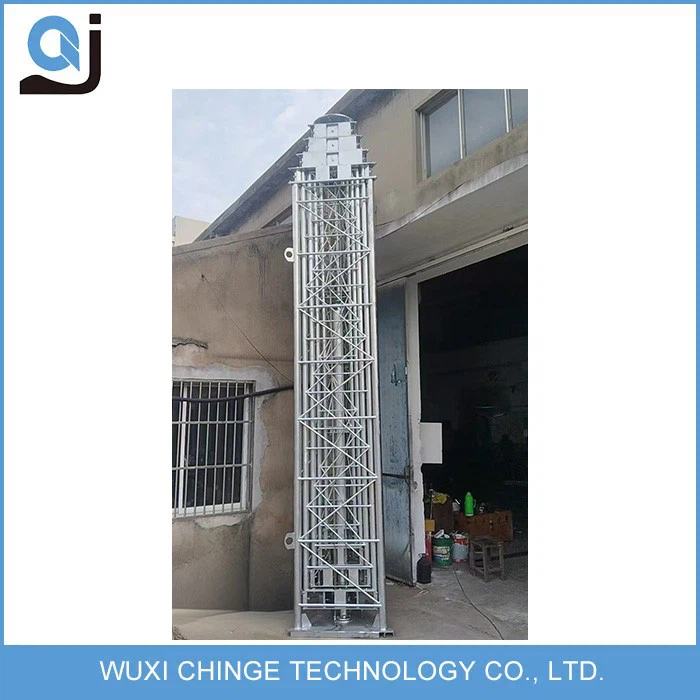

If you are interested in our telescopic mobile towers and would like to discuss your specific requirements or have any questions about the installation process, we encourage you to reach out to us. We are ready to assist you in finding the best solution for your communication needs.
References
- Tower Installation Guidelines, Industry Standard Handbook
- Manufacturer's Manuals for Telescopic Mobile Towers