




What is the lifespan of a portable tower?
As a supplier of portable towers, I often get asked about the lifespan of these structures. The lifespan of a portable tower is a complex topic that depends on several factors, including the type of tower, the materials used, the environment in which it operates, and the maintenance efforts. In this blog post, I will delve into these factors to provide a comprehensive understanding of the lifespan of portable towers.
Types of Portable Towers and Their General Lifespans
There are various types of portable towers, each with its own set of characteristics and potential lifespan. Let's take a look at some common types:
Amateur Radio Tower Crank Up: These towers are popular among amateur radio enthusiasts. They are designed to be easily raised and lowered, providing flexibility in different situations. Visit Amateur Radio Tower Crank Up to learn more about this type of tower. Generally, a well - made amateur radio crank - up tower can last anywhere from 15 to 25 years. The relatively shorter lifespan compared to some other types is due to the mechanical components involved in the crank - up mechanism. Over time, the gears, pulleys, and ropes can wear out, especially if they are not properly maintained.
100ft Cell On Wheels (COW): COW towers are used to provide temporary cellular coverage, often during events or in areas with damaged infrastructure. Check out 100ft Cell On Wheels (COW) for detailed information. These towers are built to be robust and can have a lifespan of 20 to 30 years. They are usually made of high - quality steel to withstand the rigors of transportation and outdoor use. However, the electronic components inside the tower, such as the antennas and communication equipment, may need to be replaced more frequently, typically every 5 to 10 years, due to technological advancements and wear.
Portable Signal Tower: These towers are used for a variety of purposes, including traffic control, construction sites, and emergency signaling. Explore Portable Signal Tower for more details. A portable signal tower can last around 10 to 15 years. They are often made of lightweight materials for easy portability, which can be more prone to damage from impacts and environmental factors.
Factors Affecting the Lifespan of Portable Towers
Materials: The choice of materials plays a crucial role in determining the lifespan of a portable tower. Steel is a common material used in tower construction due to its strength and durability. Galvanized steel, which has a protective zinc coating, can resist corrosion better than regular steel, extending the tower's lifespan. Aluminum is another option, known for its lightweight and corrosion - resistant properties. However, aluminum may not be as strong as steel, and it can be more expensive.
Environment: The environment in which the portable tower operates has a significant impact on its lifespan. Towers located in coastal areas are exposed to saltwater, which can accelerate corrosion. In areas with high humidity or frequent rainfall, the tower is more likely to rust. Extreme temperatures, both hot and cold, can also cause the materials to expand and contract, leading to structural stress over time. Additionally, towers in areas prone to high winds, earthquakes, or lightning strikes are at a higher risk of damage.
Maintenance: Regular maintenance is essential for extending the lifespan of a portable tower. This includes inspecting the tower for signs of damage, such as cracks, rust, or loose bolts. The mechanical components of a crank - up tower should be lubricated regularly to ensure smooth operation. The electronic components of a COW tower need to be tested and updated as needed. Cleaning the tower to remove dirt, debris, and salt deposits can also prevent corrosion.
Extending the Lifespan of Portable Towers
To maximize the lifespan of a portable tower, here are some tips:
Proper Installation: Ensure that the tower is installed correctly according to the manufacturer's instructions. This includes using the right foundation and securing the tower properly. A poorly installed tower is more likely to experience structural problems over time.
Regular Inspections: Conduct regular inspections of the tower, at least once a year or more frequently if it is in a harsh environment. Look for signs of wear and tear, corrosion, and damage to the mechanical and electronic components.
Timely Repairs: If any damage is detected during an inspection, make the necessary repairs immediately. Ignoring small problems can lead to more significant issues down the line, potentially shortening the tower's lifespan.
Component Replacement: As components reach the end of their useful life, replace them promptly. This can prevent further damage to the tower and ensure its continued operation.
Conclusion
In conclusion, the lifespan of a portable tower varies depending on the type of tower, materials, environment, and maintenance. While amateur radio crank - up towers can last 15 to 25 years, 100ft COW towers can have a lifespan of 20 to 30 years, and portable signal towers typically last 10 to 15 years. By choosing the right materials, protecting the tower from the environment, and performing regular maintenance, you can extend the lifespan of your portable tower.

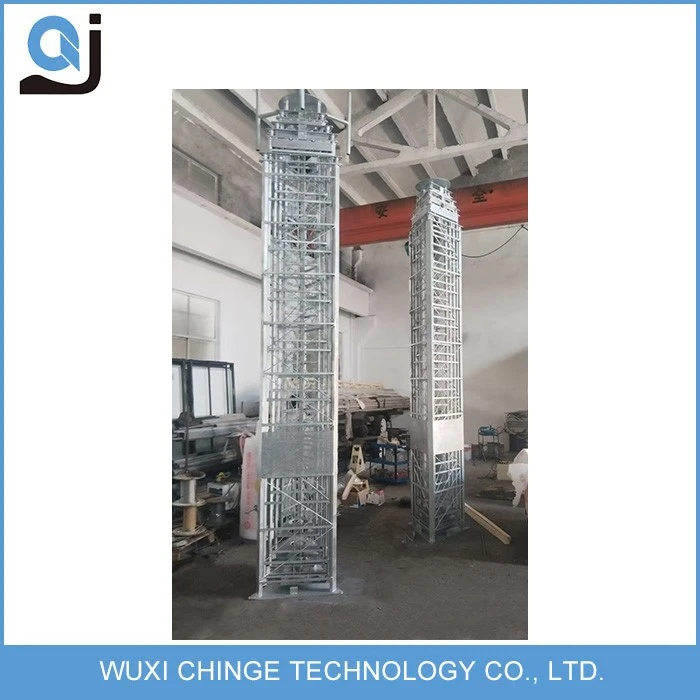
If you are in the market for a portable tower or have any questions about their lifespan and maintenance, I encourage you to reach out to me. We can discuss your specific needs and find the best solution for you. Whether you require an amateur radio tower, a COW tower, or a portable signal tower, I am here to assist you in making an informed decision.
References
- Engineering Manuals on Tower Construction
- Industry Reports on Portable Tower Durability
- Manufacturer's Specifications for Different Types of Portable Towers