



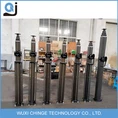


What is the Load - Bearing Capacity of an Antenna Push Up Pole?
As a dedicated supplier of antenna push up poles, I often get asked about the load - bearing capacity of these essential pieces of equipment. Understanding the load - bearing capacity is crucial for anyone looking to install an antenna, as it ensures the safety and stability of the entire setup.
Factors Affecting Load - Bearing Capacity
The load - bearing capacity of an antenna push up pole is influenced by several key factors. First and foremost is the material of the pole. Most antenna push up poles are made from aluminum or fiberglass. Aluminum poles are known for their high strength - to - weight ratio. They can withstand significant loads while remaining relatively lightweight, making them easy to handle during installation. Fiberglass poles, on the other hand, are non - conductive and resistant to corrosion. However, their load - bearing capacity is generally lower compared to aluminum poles of the same size.
The diameter and thickness of the pole also play a vital role. A thicker and wider pole can typically support more weight. This is because a larger cross - sectional area provides more structural integrity and distributes the load more evenly. For instance, a pole with a larger diameter can better resist bending and buckling under heavy loads.
Another important factor is the height of the pole. As the height of the antenna push up pole increases, the load - bearing capacity decreases. This is due to the increased leverage and wind forces acting on the taller structure. The wind can exert a significant lateral force on the pole, especially at higher elevations. Therefore, when selecting a pole, it is essential to consider the maximum height at which the antenna will be installed and the wind conditions in the area.
Calculating Load - Bearing Capacity
Calculating the exact load - bearing capacity of an antenna push up pole is a complex process that requires engineering knowledge and specialized tools. However, there are some general guidelines that can help in estimating the capacity.
The static load is the weight of the antenna itself, along with any additional equipment such as mounts, cables, and lightning protection devices. This is the most straightforward part of the load calculation. You simply need to add up the weights of all the components that will be attached to the pole.
The dynamic load is more challenging to calculate. It includes the forces exerted by the wind, ice, and other environmental factors. Wind load is a major consideration, as it can cause the pole to sway and put additional stress on the structure. Engineers use mathematical models and wind tunnel tests to estimate the wind load on a pole. These models take into account factors such as the shape and size of the antenna, the height of the pole, and the local wind speed and direction.
Ice load is another factor that can affect the load - bearing capacity. Ice can accumulate on the antenna and the pole, adding significant weight. In areas with cold climates, it is important to consider the potential for ice buildup and factor it into the load calculations.
Importance of Knowing the Load - Bearing Capacity
Knowing the load - bearing capacity of an antenna push up pole is crucial for several reasons. Firstly, it ensures the safety of the installation. If the pole is overloaded, it can bend, break, or collapse, which can cause serious damage to the antenna and pose a risk to people and property in the vicinity.
Secondly, it helps in selecting the right pole for the job. By understanding the load requirements, you can choose a pole with a sufficient load - bearing capacity. This not only ensures the stability of the antenna but also extends the lifespan of the pole.
Finally, it is important for compliance with local building codes and regulations. Many areas have specific requirements regarding the load - bearing capacity of structures, including antenna poles. By adhering to these regulations, you can avoid potential legal issues and ensure that your installation is up to standard.
Our Product Range and Load - Bearing Capacities
At our company, we offer a wide range of antenna push up poles to meet different load requirements. Our Telescopic Winch Up Mast - 5m Extended Length is a popular choice for medium - sized antennas. It is made from high - quality aluminum, which provides excellent strength and durability. This pole has a carefully calculated load - bearing capacity that can support most standard antennas and associated equipment at its maximum extended height.


Our Telescopic Aerial Mast is designed for more demanding applications. It has a larger diameter and thicker walls, which significantly increase its load - bearing capacity. This mast is suitable for larger antennas and in areas with high wind speeds.
The Manual Telescopic Mast is a versatile option that offers ease of installation and operation. It is available in different sizes and load - bearing capacities, allowing you to choose the one that best suits your needs.
Contact Us for More Information
If you are in the process of selecting an antenna push up pole and need help determining the appropriate load - bearing capacity, we are here to assist you. Our team of experts has extensive knowledge and experience in the field of antenna installations. We can provide you with detailed information about our products, answer your questions, and help you make an informed decision.
Whether you are a professional installer, a telecommunications company, or an individual looking to set up a personal antenna system, we have the right solution for you. Contact us today to start the procurement process and ensure that you get a high - quality antenna push up pole that meets your load requirements.
References
- "Antenna Installation Handbook" - A comprehensive guide on antenna installation and related technical aspects.
- "Structural Engineering for Telecommunications" - A book that covers the engineering principles involved in designing and installing antenna poles.
- Industry standards and guidelines from relevant telecommunications and engineering organizations.