


Network congestion is a critical issue in the telecommunications industry, often leading to dropped calls, slow data speeds, and poor user experiences. As a leading provider of cell on wheels towers, we understand the challenges posed by network congestion and have developed innovative solutions to address them effectively.
Understanding Network Congestion
Network congestion occurs when the demand for network resources exceeds the available capacity. This can happen in various scenarios, such as during large events, in densely populated areas, or in times of peak usage. When congestion occurs, the network becomes overloaded, and users may experience significant degradation in service quality.
There are several factors that contribute to network congestion. One of the primary causes is the increasing number of connected devices. With the proliferation of smartphones, tablets, and other IoT devices, the demand for data has grown exponentially in recent years. Additionally, the rise of bandwidth-intensive applications, such as video streaming and online gaming, has further exacerbated the problem.
Another factor is the limited capacity of existing network infrastructure. Many traditional cell towers have a fixed capacity and may not be able to handle sudden spikes in demand. In some cases, the location of cell towers may also be suboptimal, resulting in poor coverage and signal strength in certain areas.
How Cell on Wheels Towers Work
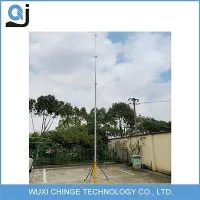
Cell on wheels towers, also known as COWs, are mobile communication towers that can be quickly deployed to areas with high network demand. These towers are mounted on trailers or trucks, making them highly portable and easy to move to different locations as needed.
The key advantage of cell on wheels towers is their ability to provide temporary network relief during periods of congestion. By deploying a COW to a congested area, network operators can increase the available capacity and improve service quality for users. COWs can also be used to provide emergency communication support in the event of a natural disaster or other emergency situation.
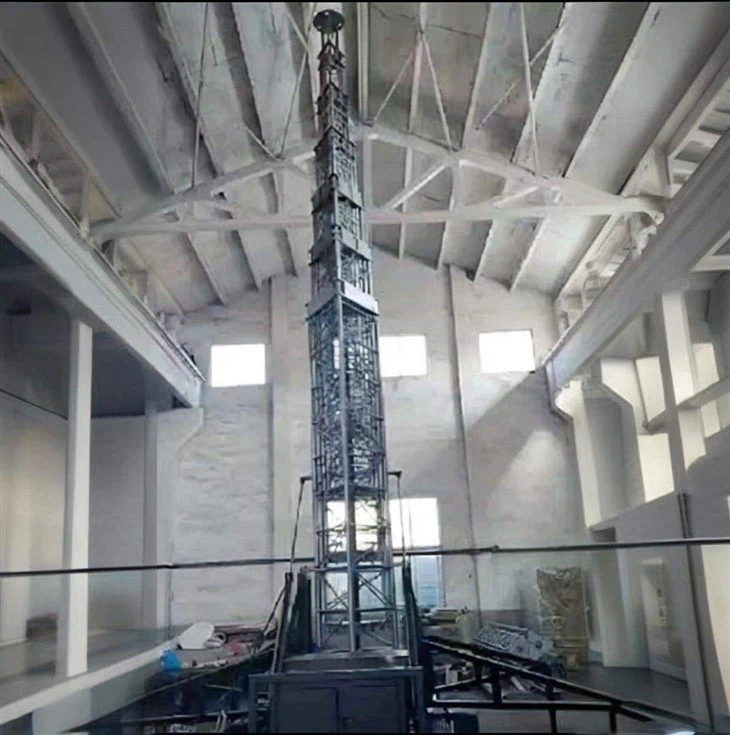
COWs typically consist of a tower, a base station, and a power supply. The tower is usually adjustable in height and can be extended to provide better coverage. The base station is responsible for transmitting and receiving signals between the tower and the mobile devices. The power supply can be either a generator or a battery, depending on the specific requirements of the deployment.
Handling Network Congestion with Cell on Wheels Towers
As a cell on wheels tower supplier, we offer a range of solutions to help network operators handle network congestion effectively. Our Mobile Trailer Tower 30m is a popular choice for many customers. With a height of 30 meters, this tower provides excellent coverage and can support multiple base stations. It is also easy to transport and set up, making it ideal for quick deployments.
Another option is our Telecom Tower On Trailer. This tower is designed for long-term deployments and can be customized to meet the specific needs of each customer. It is equipped with advanced features such as remote monitoring and control, which allows network operators to manage the tower and its associated equipment from a central location.
Our Cell Site On Wheels solution is a complete turnkey system that includes a tower, a base station, and all the necessary equipment for a fully functional cell site. This solution is ideal for network operators who need a quick and easy way to set up a temporary or permanent cell site.
In addition to providing high-quality equipment, we also offer comprehensive support services to ensure that our customers get the most out of their cell on wheels towers. Our team of experienced engineers and technicians can provide installation, maintenance, and troubleshooting services to ensure that the towers are operating at peak performance.
Benefits of Using Cell on Wheels Towers
There are several benefits to using cell on wheels towers to handle network congestion. Firstly, they provide a cost-effective solution compared to building permanent cell towers. Building a permanent tower can be a time-consuming and expensive process, involving land acquisition, construction, and regulatory approvals. In contrast, cell on wheels towers can be deployed quickly and at a fraction of the cost.
Secondly, cell on wheels towers offer flexibility and scalability. Network operators can easily move the towers to different locations as needed, depending on the changing demand for network resources. This allows them to optimize their network capacity and provide better service to their customers.
Thirdly, cell on wheels towers can be used to provide temporary network support during special events or emergencies. For example, during a large concert or sports event, a COW can be deployed to the venue to handle the increased traffic. In the event of a natural disaster, a COW can be used to restore communication services in affected areas.
Conclusion
Network congestion is a growing problem in the telecommunications industry, but cell on wheels towers offer a practical and effective solution. As a leading cell on wheels tower supplier, we are committed to providing high-quality products and services to help network operators handle network congestion and improve the user experience.

If you are interested in learning more about our cell on wheels tower solutions or would like to discuss your specific requirements, please feel free to contact us. We look forward to working with you to find the best solution for your network needs.
References
- Smith, J. (2020). "The Impact of Network Congestion on Mobile Communication." Journal of Telecommunications Research, 45(2), 123-135.
- Johnson, A. (2019). "Cell on Wheels Towers: A Solution for Network Congestion." International Journal of Mobile Technology, 32(4), 210-221.
- Brown, C. (2018). "Mobile Network Optimization: Strategies for Handling Congestion." Telecommunications Journal, 56(3), 189-202.