




Determining the correct usage of a crank up pole is crucial for ensuring its optimal performance and safety in various applications. As a supplier of crank up poles, I have witnessed firsthand the diverse needs and scenarios where these versatile tools are employed. In this blog post, I will share insights on how to determine the correct usage of a crank up pole, considering factors such as application requirements, load capacity, and environmental conditions.

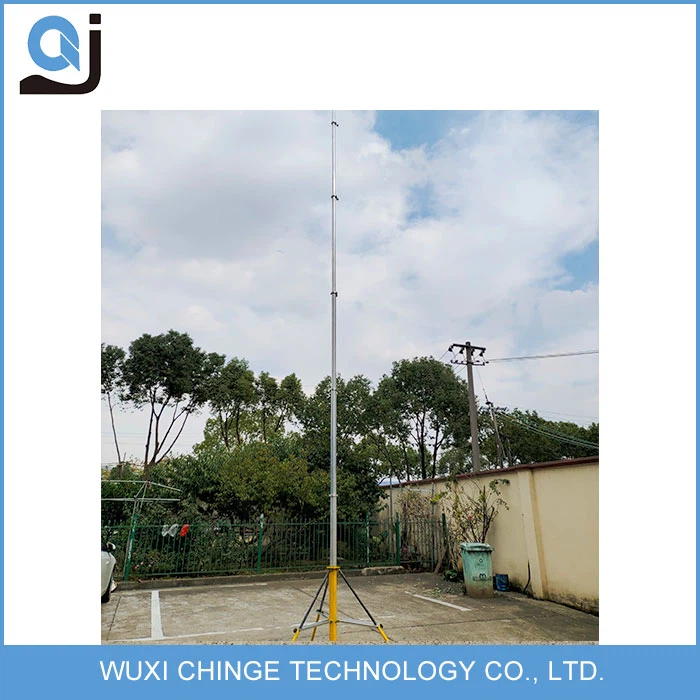
Understanding the Basics of Crank Up Poles
Before delving into the specifics of determining the correct usage, it's essential to have a clear understanding of what a crank up pole is and how it works. A crank up pole, also known as a telescopic mast, is a vertical structure that can be extended and retracted using a manual or motorized crank mechanism. These poles are typically made of lightweight yet durable materials such as aluminum or steel and are designed to provide a stable and adjustable platform for various equipment and applications.
Crank up poles are commonly used in a wide range of industries, including telecommunications, surveillance, event management, and emergency response. They are often employed to support antennas, cameras, lights, and other equipment at elevated heights, allowing for better signal reception, visibility, and coverage.
Assessing Application Requirements
The first step in determining the correct usage of a crank up pole is to assess the specific requirements of the application. This involves considering factors such as the type of equipment to be mounted, the desired height of the pole, the frequency of adjustment, and the environmental conditions in which the pole will be used.
- Type of Equipment: Different types of equipment have different weight, size, and mounting requirements. For example, a heavy-duty antenna may require a sturdier and more robust crank up pole than a lightweight camera. It's important to choose a pole that can safely support the weight and dimensions of the equipment to be mounted.
- Desired Height: The height of the crank up pole is another important consideration. The pole should be able to reach the desired height to provide optimal performance for the equipment. However, it's also important to ensure that the pole is not overextended, as this can compromise its stability and safety.
- Frequency of Adjustment: If the equipment needs to be adjusted frequently, a manual crank up pole may be more suitable. Manual poles are typically more affordable and easier to operate, but they require more physical effort to adjust. On the other hand, if the equipment needs to be adjusted less frequently or if a higher level of precision is required, a motorized crank up pole may be a better option.
- Environmental Conditions: The environmental conditions in which the crank up pole will be used can also affect its performance and durability. For example, if the pole will be used in a harsh outdoor environment, it should be made of corrosion-resistant materials and have a weatherproof finish. Additionally, if the pole will be exposed to high winds or other extreme weather conditions, it may need to be reinforced or anchored to ensure its stability.
Evaluating Load Capacity
Load capacity is another critical factor to consider when determining the correct usage of a crank up pole. The load capacity of a pole refers to the maximum weight that it can safely support at a given height. It's important to choose a pole with a load capacity that is sufficient to support the weight of the equipment to be mounted, as well as any additional loads such as wind, snow, or ice.
To determine the load capacity of a crank up pole, it's important to consider the following factors:
- Weight of Equipment: The weight of the equipment to be mounted is the most obvious factor to consider when evaluating load capacity. It's important to ensure that the pole can safely support the weight of the equipment at the desired height.
- Wind Load: Wind load is another important factor to consider, especially for poles that will be used in outdoor environments. The wind load on a pole depends on factors such as the height of the pole, the surface area of the equipment, and the wind speed. It's important to choose a pole that can withstand the expected wind loads in the area where it will be used.
- Snow and Ice Load: In areas where snow and ice are common, it's important to consider the additional load that these elements can place on the pole. Snow and ice can add significant weight to the pole, which can increase the risk of collapse. It's important to choose a pole that can withstand the expected snow and ice loads in the area where it will be used.
Considering Environmental Conditions
In addition to load capacity, environmental conditions can also have a significant impact on the performance and durability of a crank up pole. When determining the correct usage of a pole, it's important to consider the following environmental factors:
- Temperature: Extreme temperatures can affect the performance of a crank up pole. In cold temperatures, the materials used in the pole may become brittle and more prone to cracking. In hot temperatures, the materials may expand, which can affect the stability of the pole. It's important to choose a pole that is designed to withstand the expected temperature range in the area where it will be used.
- Humidity: High humidity can cause corrosion and rust on the surface of the pole, which can weaken its structure and reduce its lifespan. It's important to choose a pole that is made of corrosion-resistant materials and has a weatherproof finish to protect it from the effects of humidity.
- UV Radiation: UV radiation from the sun can cause damage to the materials used in the pole, such as fading, cracking, and weakening. It's important to choose a pole that is designed to resist the effects of UV radiation and has a UV-resistant coating to protect it from the sun's rays.
- Wind and Weather Conditions: Wind and other weather conditions can also affect the stability and performance of a crank up pole. It's important to choose a pole that is designed to withstand the expected wind and weather conditions in the area where it will be used. Additionally, it's important to ensure that the pole is properly installed and anchored to prevent it from being blown over or damaged by strong winds.
Selecting the Right Crank Up Pole
Once you have assessed the application requirements, evaluated the load capacity, and considered the environmental conditions, it's time to select the right crank up pole for your needs. There are several types of crank up poles available on the market, each with its own unique features and benefits. Some of the most common types of crank up poles include:
- Telescopic Aerial Mast: Telescopic aerial masts are designed to provide a stable and adjustable platform for antennas and other equipment at elevated heights. These poles are typically made of lightweight yet durable materials such as aluminum or steel and can be extended and retracted using a manual or motorized crank mechanism.
- Steel Telescopic Winch Mast: Steel telescopic winch masts are similar to telescopic aerial masts, but they are made of steel and are typically more heavy-duty and robust. These poles are often used in applications where a higher level of stability and load capacity is required, such as in the telecommunications and surveillance industries.
- Tripod Telescoping Mast: Tripod telescoping masts are designed to provide a stable and adjustable platform for equipment at elevated heights. These poles are typically made of lightweight yet durable materials such as aluminum or steel and are supported by a tripod base for added stability. Tripod telescoping masts are often used in applications where a portable and easy-to-set-up solution is required, such as in event management and emergency response.
Conclusion
Determining the correct usage of a crank up pole is essential for ensuring its optimal performance and safety in various applications. By assessing the application requirements, evaluating the load capacity, considering the environmental conditions, and selecting the right pole for your needs, you can ensure that your crank up pole will provide reliable and long-lasting service.
If you have any questions or need further assistance in selecting the right crank up pole for your application, please do not hesitate to contact us. Our team of experts is available to provide you with personalized advice and support to help you make the right decision. We look forward to working with you to meet your crank up pole needs.
References
- Manufacturer's specifications and guidelines for crank up poles.
- Industry standards and best practices for the installation and use of crank up poles.
- Research studies and reports on the performance and durability of crank up poles in different environmental conditions.