




Electromagnetic interference (EMI) is a phenomenon that can have significant implications for various electronic and electrical systems. In the context of telescopic masts, which are widely used in communication, surveillance, and other applications, understanding how EMI affects them is crucial. As a telescopic mast supplier, we are well - versed in the challenges and solutions related to EMI in our products.
What is Electromagnetic Interference?
Electromagnetic interference refers to the disruption of the normal operation of an electrical or electronic device by an electromagnetic field. This field can be generated by a variety of sources, including natural phenomena such as lightning, as well as man - made sources like power lines, radio transmitters, and other electronic equipment. EMI can manifest in two main forms: conducted interference, which is carried through wires and cables, and radiated interference, which is transmitted through the air.
How Telescopic Masts are Susceptible to EMI
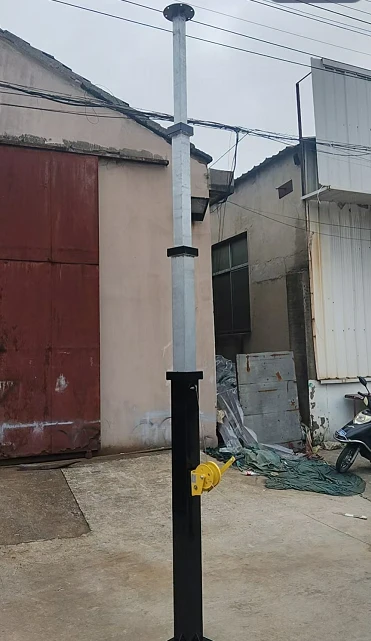
Telescopic masts are typically used to elevate antennas, sensors, or other electronic equipment to a higher position for better performance. These masts often contain electrical components such as motors for motorized telescoping, and they are in close proximity to electronic devices. As a result, they are vulnerable to EMI in several ways.
Impact on Electrical Components
The electrical components within a telescopic mast, such as motors and control circuits, are sensitive to EMI. Conducted interference can introduce unwanted electrical signals into these components, causing malfunctions. For instance, in a Motorized Telescoping Mast, the motor control system may receive incorrect commands due to EMI. This can lead to erratic movement of the mast, such as unexpected stopping or starting, or inaccurate positioning.
Interference with Attached Equipment
Telescopic masts are frequently used to support antennas for communication systems. EMI can disrupt the operation of these antennas by introducing noise into the received or transmitted signals. Radiated EMI can create a background of electromagnetic noise that masks or distorts the desired signals, reducing the signal - to - noise ratio. This can result in poor communication quality, such as dropped calls in a mobile communication system or loss of data in a wireless data transmission setup.
Structural and Material Considerations
The materials used in the construction of telescopic masts can also play a role in their susceptibility to EMI. For example, some metals may act as conductors of electromagnetic fields, allowing EMI to propagate along the mast. Additionally, the design and construction of the mast can create cavities or gaps that can trap and amplify electromagnetic waves, making the attached equipment more vulnerable to interference.
Real - World Effects of EMI on Telescopic Masts
Communication Systems
In communication systems, EMI can have a severe impact on the reliability and performance. For instance, in a military or emergency response scenario where clear and reliable communication is vital, EMI - induced disruptions in a telescopic mast - based communication system can lead to miscommunication, delayed responses, and potentially endanger lives.
Surveillance and Monitoring
Telescopic masts are often used to support surveillance cameras and other monitoring equipment. EMI can cause interference with the video signals transmitted from these cameras, resulting in a loss of image quality, such as pixelation, ghosting, or complete signal loss. This can compromise the effectiveness of surveillance operations, making it difficult to accurately monitor and detect security threats.
Mitigating the Effects of EMI on Telescopic Masts
As a telescopic mast supplier, we understand the importance of providing solutions to minimize the impact of EMI on our products.
EMI Shielding
One of the most effective ways to reduce EMI is through shielding. We use shielding materials, such as conductive coatings or metal enclosures, to prevent electromagnetic waves from entering the sensitive components of the telescopic mast. For example, in our Aluminum Crank Up Mast, we can apply a conductive coating to the aluminum surface to create a shield against radiated EMI.
Filtering
Filtering is another important technique. We install electromagnetic interference filters on the power and signal lines of the masts. These filters block unwanted frequencies while allowing the desired signals to pass through. By removing the high - frequency noise associated with EMI, the filters help to ensure the proper operation of the electrical components and the attached equipment.
Grounding
Proper grounding is essential for reducing EMI. We design our telescopic masts with a reliable grounding system that provides a low - impedance path for the electromagnetic currents to flow safely to the ground. This helps to dissipate the EMI energy and prevent it from causing interference within the mast and the attached equipment.
The Role of Design in EMI Resistance
The design of the telescopic mast also plays a crucial role in its resistance to EMI. We use advanced design techniques to minimize the creation of electromagnetic cavities and to optimize the layout of the electrical components. For example, in our Telescopic Aerial Mast, we carefully arrange the wiring and components to reduce the length of the signal paths and to separate the power and signal lines. This helps to reduce the coupling of electromagnetic fields and minimize the risk of interference.
Conclusion
Electromagnetic interference can have a significant impact on the performance and reliability of telescopic masts. As a telescopic mast supplier, we are committed to providing high - quality products that are resistant to EMI. Through the use of shielding, filtering, grounding, and advanced design techniques, we ensure that our masts can operate effectively in a variety of electromagnetic environments.
If you are in need of a telescopic mast for your communication, surveillance, or other applications, and you are concerned about EMI, we are here to help. Our team of experts can provide you with detailed information about our products and how they can be customized to meet your specific EMI requirements. Contact us today to start a procurement discussion and find the perfect telescopic mast solution for your needs.

References
- Paul, Clayton R. "Electromagnetic Compatibility for Engineers." Wiley, 2006.
- Grover, Frederick W. "Inductance Calculations: Working Formulas and Tables." Dover Publications, 1962.
- National Electrical Manufacturers Association (NEMA). "Electromagnetic Compatibility (EMC) Standards for Electrical Equipment."