




As a supplier of telescopic aerial masts, I've witnessed firsthand the crucial role these structures play in optimizing signal quality across various industries. In this blog post, I'll delve into the ways in which telescopic aerial masts impact signal quality, exploring the scientific principles behind their design and functionality.
Understanding the Basics of Signal Propagation
Before we discuss how telescopic aerial masts affect signal quality, it's essential to understand the basics of signal propagation. Radio signals, which are used for communication, broadcasting, and other applications, travel through the air in a straight line. However, they can be affected by various factors, such as obstacles, interference, and atmospheric conditions.
One of the key factors that determine signal quality is the height of the antenna. The higher the antenna is placed, the less likely it is to be obstructed by buildings, trees, or other objects. This is because radio signals tend to travel in a straight line, and obstacles can block or reflect them, causing signal loss or interference.
The Role of Telescopic Aerial Masts in Signal Quality
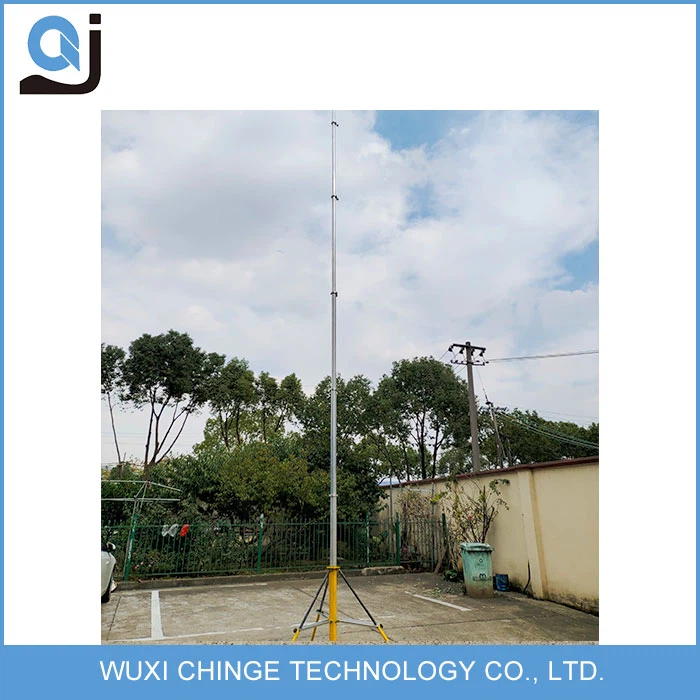
Telescopic aerial masts are designed to provide a stable and adjustable platform for antennas. They consist of multiple sections that can be extended or retracted, allowing the user to adjust the height of the mast as needed. This flexibility makes telescopic aerial masts ideal for a wide range of applications, including telecommunications, broadcasting, surveillance, and emergency response.
One of the primary ways in which telescopic aerial masts improve signal quality is by increasing the height of the antenna. By raising the antenna above the surrounding obstacles, the mast allows the signal to travel further and with less interference. This is particularly important in urban areas, where buildings and other structures can block or reflect radio signals, causing signal loss or degradation.
In addition to increasing the height of the antenna, telescopic aerial masts also provide a stable and secure platform for the antenna. This is important because any movement or vibration of the antenna can cause signal loss or interference. Telescopic aerial masts are typically designed to be lightweight and portable, while still providing a high level of stability and durability. This allows them to be easily transported and installed in a variety of locations, while still providing a reliable and consistent signal.
Factors Affecting Signal Quality
While telescopic aerial masts can significantly improve signal quality, there are several factors that can affect the performance of the mast and the antenna. These factors include:

- Height: As mentioned earlier, the height of the antenna is one of the most important factors that determine signal quality. The higher the antenna is placed, the less likely it is to be obstructed by obstacles, and the further the signal can travel.
- Antenna Type: Different types of antennas are designed for different applications and frequencies. The type of antenna used will depend on the specific requirements of the application, such as the frequency range, the directionality of the signal, and the gain of the antenna.
- Environmental Conditions: Environmental conditions, such as weather, temperature, and humidity, can also affect the performance of the antenna and the mast. For example, strong winds can cause the mast to sway or vibrate, which can affect the stability of the antenna and the signal quality.
- Interference: Interference from other radio signals, such as those from nearby transmitters or electronic devices, can also affect the performance of the antenna and the mast. This interference can cause signal loss, distortion, or noise, which can make it difficult to receive or transmit a clear signal.
Choosing the Right Telescopic Aerial Mast
When choosing a telescopic aerial mast, it's important to consider the specific requirements of the application. Some of the factors to consider include:
- Height: The height of the mast will depend on the specific requirements of the application. In general, the higher the mast, the better the signal quality. However, it's important to choose a mast that is tall enough to provide the desired signal coverage, but not so tall that it becomes unstable or difficult to install.
- Load Capacity: The load capacity of the mast will depend on the weight and size of the antenna and any other equipment that will be mounted on the mast. It's important to choose a mast that has a load capacity that is sufficient to support the weight of the antenna and any other equipment, as well as any wind or other environmental forces that may be acting on the mast.
- Material: Telescopic aerial masts are typically made from a variety of materials, including aluminum, steel, and fiberglass. Each material has its own advantages and disadvantages, and the choice of material will depend on the specific requirements of the application. For example, aluminum masts are lightweight and corrosion-resistant, making them ideal for portable applications. Steel masts are strong and durable, making them ideal for permanent installations. Fiberglass masts are lightweight and non-conductive, making them ideal for applications where electrical interference is a concern.
- Portability: If the mast needs to be transported and installed in different locations, it's important to choose a mast that is lightweight and portable. Telescopic aerial masts are typically designed to be easily disassembled and transported, making them ideal for applications where portability is a concern.
Conclusion
In conclusion, telescopic aerial masts play a crucial role in optimizing signal quality across various industries. By providing a stable and adjustable platform for antennas, they allow the signal to travel further and with less interference, improving the reliability and consistency of communication and other applications. When choosing a telescopic aerial mast, it's important to consider the specific requirements of the application, including the height, load capacity, material, and portability of the mast.
If you're interested in learning more about our Telescopic Aerial Mast, Telescoping Mast For Antenna, or Tripod Telescoping Mast, please don't hesitate to contact us. We'd be happy to discuss your specific requirements and help you choose the right mast for your application.
References
- Kraus, J. D., & Marhefka, R. J. (2002). Antennas for all applications. McGraw-Hill.
- Balanis, C. A. (2016). Antenna theory: analysis and design. Wiley.
- Stutzman, W. L., & Thiele, G. A. (2012). Antenna theory and design. Wiley.