


Maintaining a cell on wheels tower is a crucial aspect of ensuring its optimal performance and longevity. As a supplier of COW Cell On Wheels, Cell Tower On Wheels, and Mobile Trailer Tower 30m, I have witnessed firsthand the importance of regular maintenance. In this blog, I will delve into the question of how often a cell on wheels tower should be maintained, considering various factors that influence the maintenance schedule.
Understanding the Cell on Wheels Tower
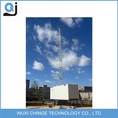
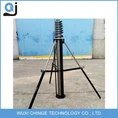
Before discussing the maintenance frequency, it is essential to understand what a cell on wheels tower is. A cell on wheels tower, also known as a COW or a mobile cell tower, is a self - contained, mobile telecommunications unit. It consists of a tower mounted on a trailer or vehicle, along with all the necessary equipment for wireless communication, such as antennas, transmitters, and receivers. These towers are highly versatile and can be quickly deployed to areas with temporary or emergency communication needs, such as during festivals, natural disasters, or in areas with poor network coverage.
Factors Influencing Maintenance Frequency
1. Usage Intensity
The frequency of use is a significant factor in determining how often a cell on wheels tower should be maintained. If the tower is used continuously, for example, at a large - scale event that lasts for several days or weeks, it will experience more wear and tear compared to a tower that is used only occasionally. Continuous operation can lead to overheating of components, increased mechanical stress on the tower structure, and faster degradation of electrical connections. In such cases, more frequent maintenance is required. A tower that is in continuous use may need to be inspected and serviced every 1 - 2 months.
2. Environmental Conditions
The environment in which the cell on wheels tower operates also plays a crucial role. Towers located in harsh environments, such as coastal areas with high humidity and saltwater exposure, or in desert regions with extreme temperatures and dust, are more prone to corrosion, rust, and damage. In coastal areas, the salt in the air can corrode metal components of the tower, while in deserts, dust can clog ventilation systems and cause overheating. For towers in harsh environments, maintenance should be carried out every 1 - 3 months. In more moderate environments, such as suburban areas with normal weather conditions, maintenance can be scheduled every 3 - 6 months.
3. Tower Age
The age of the tower is another important consideration. Newer towers generally have fewer issues and may require less frequent maintenance. As a tower ages, its components start to deteriorate, and the risk of malfunctions increases. A brand - new cell on wheels tower may only need a basic inspection every 6 months, while a tower that is 3 - 5 years old may require more comprehensive maintenance every 3 - 4 months.
4. Regulatory Requirements
Telecommunication regulations in different regions may also dictate the minimum maintenance frequency for cell on wheels towers. Some regulatory bodies require regular inspections and maintenance to ensure the safety and proper functioning of the towers. It is essential to stay updated with these regulations and comply with them to avoid any legal issues.
Recommended Maintenance Schedule
Based on the above factors, here is a general recommended maintenance schedule for cell on wheels towers:
Basic Inspections
- Monthly: For towers in continuous use or in extremely harsh environments, a monthly basic inspection is recommended. This inspection should include checking the physical condition of the tower structure, looking for signs of corrosion, loose bolts, or damage to the antenna mounts. The electrical connections should also be inspected for any signs of overheating or loose wires.
- Quarterly: For towers in normal usage and moderate environments, a quarterly basic inspection is sufficient. This inspection can cover the same areas as the monthly inspection but in more detail. Additionally, the performance of the communication equipment, such as signal strength and quality, should be tested.
Comprehensive Maintenance
- Semi - annually: All cell on wheels towers, regardless of their usage and environment, should undergo a comprehensive maintenance at least once every six months. This comprehensive maintenance involves a thorough inspection of all components, including the tower structure, electrical systems, communication equipment, and the trailer or vehicle on which the tower is mounted. The battery system, if present, should be checked for charge levels and signs of degradation. Any worn - out or damaged components should be replaced during this maintenance.
- Annually: An annual in - depth maintenance should be carried out. This includes a full calibration of the communication equipment, a detailed structural analysis of the tower to check for any hidden weaknesses, and a complete service of the vehicle or trailer. This annual maintenance is crucial for ensuring the long - term reliability and safety of the cell on wheels tower.
Components Requiring Special Attention
Antennas
Antennas are the most critical components of a cell on wheels tower as they are responsible for transmitting and receiving signals. They should be inspected regularly for any signs of damage, such as bent elements or loose connections. The alignment of the antennas is also crucial for optimal signal performance. Antennas should be cleaned to remove any dirt, debris, or bird droppings that may affect their performance.
Electrical Systems
The electrical systems of the cell on wheels tower, including the power supply, wiring, and control panels, need to be carefully maintained. Over time, electrical connections can become loose, which can lead to power outages or even electrical fires. Regular inspections should be carried out to check for proper grounding, voltage levels, and the integrity of the wiring.
Tower Structure
The tower structure must be inspected for any signs of structural damage or weakness. This includes checking the integrity of the tower legs, braces, and joints. Any signs of rust, corrosion, or cracks should be addressed immediately. The stability of the tower when it is erected is also important, and regular checks should be made to ensure that the tower remains safe and secure.
Benefits of Regular Maintenance
1. Reliability
Regular maintenance ensures that the cell on wheels tower operates reliably. By identifying and fixing potential issues before they become major problems, the tower is less likely to experience breakdowns during critical times. This is especially important in emergency situations where the tower may be the only means of communication.
2. Cost - Effectiveness
Although maintenance requires an investment of time and resources, it is more cost - effective in the long run. Preventive maintenance can help avoid expensive repairs and replacements that may be necessary if a component fails completely. Additionally, a well - maintained tower has a longer lifespan, reducing the need for premature replacement.
3. Safety
Safety is of utmost importance when it comes to cell on wheels towers. Regular maintenance helps to identify and address any safety hazards, such as loose structural components or faulty electrical systems. This ensures the safety of the personnel operating the tower and the surrounding public.


Conclusion
In conclusion, the frequency of maintenance for a cell on wheels tower depends on several factors, including usage intensity, environmental conditions, tower age, and regulatory requirements. A general guideline is to conduct basic inspections monthly or quarterly, comprehensive maintenance semi - annually, and in - depth maintenance annually. By following a regular maintenance schedule and paying special attention to critical components, the reliability, cost - effectiveness, and safety of the cell on wheels tower can be significantly enhanced.
If you are interested in our COW Cell On Wheels, Cell Tower On Wheels, or Mobile Trailer Tower 30m products and would like to discuss procurement and maintenance services, we welcome you to reach out for a detailed discussion. We are committed to providing high - quality products and comprehensive maintenance solutions to meet your communication needs.
References
- Telecommunication Industry Association (TIA) standards on mobile tower maintenance.
- Case studies on the performance and maintenance of cell on wheels towers in different environments.
- Manufacturer's guidelines for the maintenance of cell on wheels tower components.