


Hey there! As a supplier of telescopic masts, I often get asked about the lifespan of these nifty pieces of equipment. So, I thought I'd take a few minutes to break it down for you.
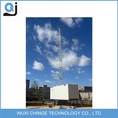
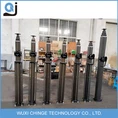
First off, let's talk about what a telescopic mast is. It's a mast that can extend and retract, kind of like a telescope. You can find them in all sorts of places - from military operations and emergency response situations to outdoor events and construction sites. They're super useful for getting things up high, like lights, antennas, or cameras.
Now, the lifespan of a telescopic mast isn't set in stone. It depends on a bunch of factors, and I'll go through them one by one.
1. Quality of Materials
The materials used to make the mast play a huge role in how long it'll last. At our company, we use high - grade aluminum and steel. Aluminum is lightweight, corrosion - resistant, and strong. Steel, on the other hand, offers excellent durability and can handle heavy loads.


If you skimp on the materials, you're likely to run into problems sooner rather than later. Cheaper metals might rust quickly, especially if the mast is used outdoors. And they might not be able to withstand the stress of repeated extending and retracting. So, when you're in the market for a telescopic mast, make sure to ask about the materials.
2. Frequency of Use
How often you use the mast is a major factor. If you're using it every single day, it's going to wear out faster than if you only use it a few times a year. Think about it like your car. If you drive it non - stop, the engine, tires, and other parts are going to experience more wear and tear.
For example, a construction site that uses a telescopic mast to support work lights every day will put a lot more strain on the mast than an event organizer who only sets it up once a month for a concert or a fair.
3. Maintenance
Proper maintenance can significantly extend the lifespan of a telescopic mast. You should regularly clean the mast to remove dirt, debris, and any corrosive substances. Lubricating the moving parts is also crucial. This helps reduce friction and prevents the parts from wearing out prematurely.
Inspecting the mast for any signs of damage, such as cracks or bent sections, is another important step. If you catch these issues early, you can often fix them before they turn into major problems.
4. Environmental Conditions
Where you use the mast matters a lot. If it's in a harsh environment, like a coastal area with high salt content in the air or a desert with extreme heat and sandstorms, it's going to face more challenges.
Salt in the air can cause corrosion, which weakens the metal. Sand can get into the moving parts and cause abrasion. On the other hand, if the mast is used in a more temperate and clean environment, it's likely to last longer.
Average Lifespan
So, what's the average lifespan of a telescopic mast? Well, if it's made of high - quality materials, used moderately, and properly maintained, you can expect it to last anywhere from 10 to 20 years. But this is just a rough estimate.
Some masts might last longer, especially if they're not used very often. Others might have a shorter lifespan if they're subjected to tough conditions or poor maintenance.
Different Types of Telescopic Masts and Their Lifespans
Let's take a look at some specific types of telescopic masts and how their lifespans might vary.
Portable Telescopic Lighting Mast
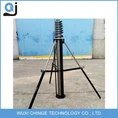
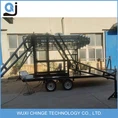
A Portable Telescopic Lighting Mast is often used in outdoor events, construction sites, and emergency situations. These masts are designed to be easy to move around, so they're usually made of lightweight materials.
Because they're often used in less - than - ideal conditions and might be moved frequently, they might have a slightly shorter lifespan compared to more stationary masts. With proper care, you can expect a portable telescopic lighting mast to last around 10 - 15 years.
Motorized Telescoping Mast
Motorized Telescoping Masts are great because they can be extended and retracted with the push of a button. However, the motor adds an extra component that can fail.
If the motor is of high quality and well - maintained, the lifespan of a motorized telescoping mast can be similar to a manual one, around 10 - 20 years. But if there are issues with the motor, it can significantly reduce the overall lifespan of the mast.
Telescopic Aerial Mast
A Telescopic Aerial Mast is used to support antennas for communication purposes. These masts need to be stable and reliable. They're often made of high - strength materials to withstand wind and other environmental forces.
With good maintenance and normal use, a telescopic aerial mast can last 15 - 20 years or even longer.
Extending the Lifespan of Your Telescopic Mast
Here are some tips to help you get the most out of your telescopic mast:
- Follow the Manufacturer's Instructions: The manufacturer knows the mast best. They'll provide guidelines on how to use, maintain, and store the mast. Make sure to follow these instructions carefully.
- Train Your Staff: If multiple people are using the mast, make sure they're all trained on how to use it properly. Incorrect use can cause unnecessary damage.
- Store the Mast Properly: When not in use, store the mast in a dry, protected area. This helps prevent corrosion and damage from the elements.
Conclusion
The lifespan of a telescopic mast is influenced by many factors, including the quality of materials, frequency of use, maintenance, and environmental conditions. By choosing a high - quality mast, using it responsibly, and taking good care of it, you can ensure that it serves you well for many years.
If you're in the market for a telescopic mast, whether it's a Portable Telescopic Lighting Mast, a Motorized Telescoping Mast, or a Telescopic Aerial Mast, we're here to help. We offer a wide range of high - quality telescopic masts that are built to last. Feel free to reach out to us to discuss your specific needs and start the procurement process.
References
- General knowledge from years of experience in the telescopic mast industry.
- Technical specifications and maintenance guides provided by mast manufacturers.