


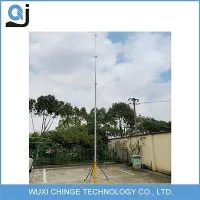
Hey there! As a supplier of telescopic radio towers, I often get asked about the weight of these nifty structures. It's a crucial question, especially when it comes to transportation, installation, and overall functionality. So, let's dive right in and explore what the weight of a telescopic radio tower really means.
First off, it's important to understand that the weight of a telescopic radio tower can vary widely depending on several factors. The size of the tower is a major determinant. Generally speaking, taller towers tend to weigh more than shorter ones. This is because they require more materials to construct and need to be more robust to withstand various environmental conditions. For example, a small, portable telescopic radio tower that's only a few meters tall might weigh just a few dozen kilograms. On the other hand, a large - scale tower that can reach heights of 30 meters or more could weigh several tons.
The materials used in the construction of the tower also play a huge role. Most telescopic radio towers are made from metals like aluminum or steel. Aluminum is a popular choice because it's relatively lightweight, corrosion - resistant, and easy to work with. A tower made primarily of aluminum will be significantly lighter than one made of steel. Steel, however, is stronger and more durable, making it suitable for towers that need to support heavy equipment or endure harsh weather conditions. So, if you're looking for a lightweight option, an aluminum tower might be the way to go, but if strength is your top priority, steel could be the better choice.
Another factor that affects the weight is the type of equipment the tower is designed to support. If the tower is meant to hold just a simple radio antenna, it won't need to be as heavy or as strong as one that's going to support multiple antennas, signal boosters, and other heavy - duty communication devices. The additional weight of the equipment has to be factored into the overall design of the tower to ensure its stability.
Let's talk about the implications of the tower's weight. When it comes to transportation, a lighter tower is much easier and cheaper to move around. It can be loaded onto a smaller vehicle, which reduces fuel costs and makes it more accessible for deployment in remote areas. A lightweight tower might also be easier to install, as it requires less heavy - duty equipment and fewer people to set up. This can save both time and money during the installation process.
On the flip side, a heavier tower usually means more stability. It's less likely to be affected by wind, earthquakes, or other external forces. This is especially important for towers that are located in areas with high winds or seismic activity. A stable tower ensures that the communication equipment it supports stays in place and functions properly.
Now, I'd like to mention some of the products we offer. We have a great range of telescopic radio towers, including the Light Weight Harm Radio Tower. This tower is designed with portability in mind, so it's relatively lightweight while still being able to support basic radio communication needs. It's perfect for temporary setups or for use in areas where transportation is a challenge.
If you're looking for something a bit more versatile, our Portable Cell Tower is a great option. It can be easily transported and set up, and it's capable of supporting a variety of communication equipment. Whether you're in a rural area that needs better cell coverage or at an event where you need to boost the signal, this tower can get the job done.
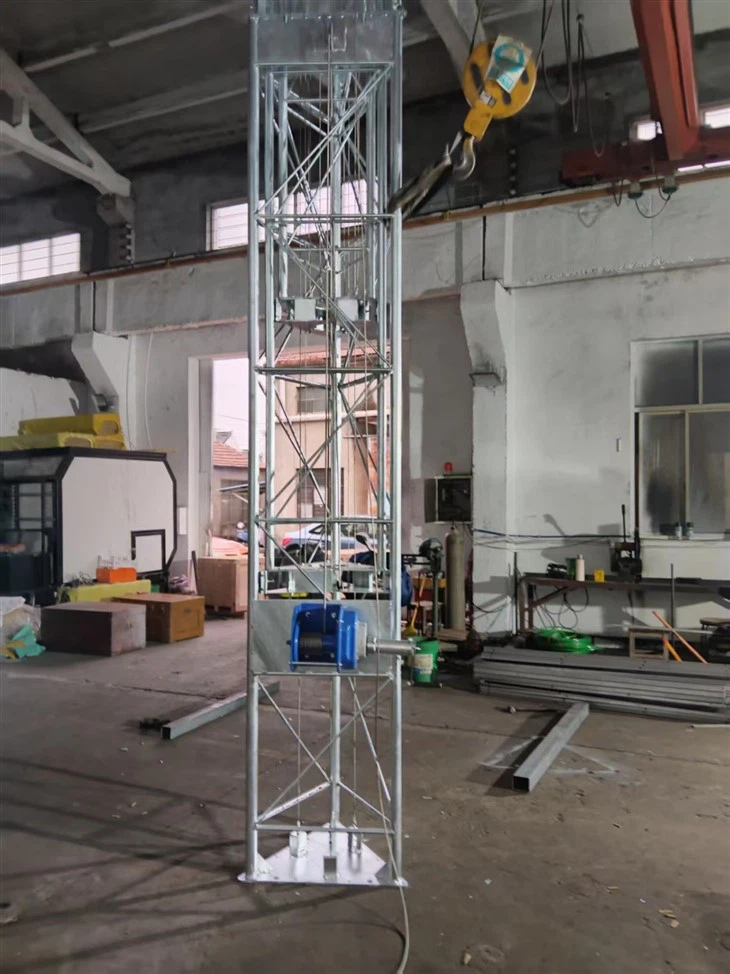

And for those who need a high - performance solution, our China Cell On Wheels is a top - notch choice. It's a heavy - duty tower that comes on a mobile platform, allowing for easy deployment and repositioning. Despite its strength and the ability to support advanced communication systems, we've managed to keep the weight as manageable as possible through smart design and the use of high - quality materials.
When you're considering purchasing a telescopic radio tower, it's essential to think about your specific needs. If you need to move the tower frequently, a lighter option might be best. But if you're setting up a long - term installation in an area with challenging conditions, a heavier, more stable tower could be the better investment.
We're here to help you make the right choice. Our team of experts can answer all your questions about the weight, design, and functionality of our telescopic radio towers. Whether you're a small business looking to improve your communication system or a large organization in need of a reliable tower for a major event, we've got you covered.
If you're interested in learning more or are ready to start the purchasing process, don't hesitate to reach out. We're eager to work with you to find the perfect telescopic radio tower for your needs. Contact us today to start the conversation and get a quote.
References
- General knowledge of telescopic radio tower design and construction
- In - house product specifications and research on the weight and performance of our telescopic radio towers