



When it comes to using an antenna push up pole, safety should always be your top priority. As a trusted supplier of high - quality antenna push up poles, including Winch Up Pole, Tripod Telescoping Mast, and Manual Telescoping Mast, I understand the importance of ensuring that every user is well - informed about the necessary safety precautions.
Pre - installation Safety Checks
Before you even start the installation process of your antenna push up pole, a series of pre - installation safety checks are crucial. First and foremost, carefully examine the pole itself. Look for any visible signs of damage such as cracks, dents, or rust. Even a small crack can compromise the structural integrity of the pole, leading to potential failure during use. If you find any damaged parts, do not attempt to use the pole. Instead, contact us for replacement parts or a new pole.
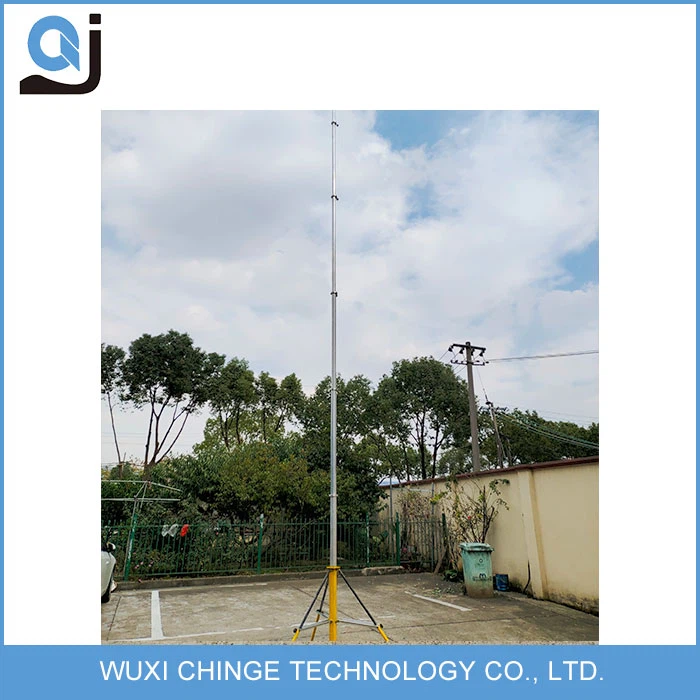
Inspect all the components that come with the pole, including the winch (if applicable), ropes, and connectors. The winch should operate smoothly without any signs of jamming or excessive wear. Check the ropes for fraying or weak spots, as these can break under stress. Connectors should be tight and free from corrosion. Loose or corroded connectors can cause the antenna to become unstable or even detach from the pole.
The installation site also requires a thorough inspection. Choose a flat, stable, and level surface. Avoid areas prone to flooding, strong winds, or where there is a risk of being hit by vehicles or other moving objects. If the ground is soft, you may need to use additional support structures to ensure the pole remains upright. Check for any underground utilities such as power lines, water pipes, or gas lines. Contact the local utility companies to obtain accurate information about the location of these utilities before digging or installing the base of the pole.
Personal Protective Equipment (PPE)
Wearing appropriate personal protective equipment is non - negotiable when using an antenna push up pole. Safety glasses are essential to protect your eyes from flying debris, dust, or small particles that may be dislodged during the installation or adjustment process. A hard hat is a must - have to safeguard your head from potential falling objects, such as tools or parts of the pole.
Gloves are also important. They provide a better grip on the pole, ropes, and tools, reducing the risk of slipping. Additionally, gloves protect your hands from cuts, abrasions, and chemical irritants. If you are working in an area with a risk of electrical shock, insulated gloves are necessary.
Wear sturdy work boots with good ankle support. These boots protect your feet from heavy objects that may fall on them and provide traction on uneven surfaces, reducing the likelihood of slips and falls.
Installation Process Safety
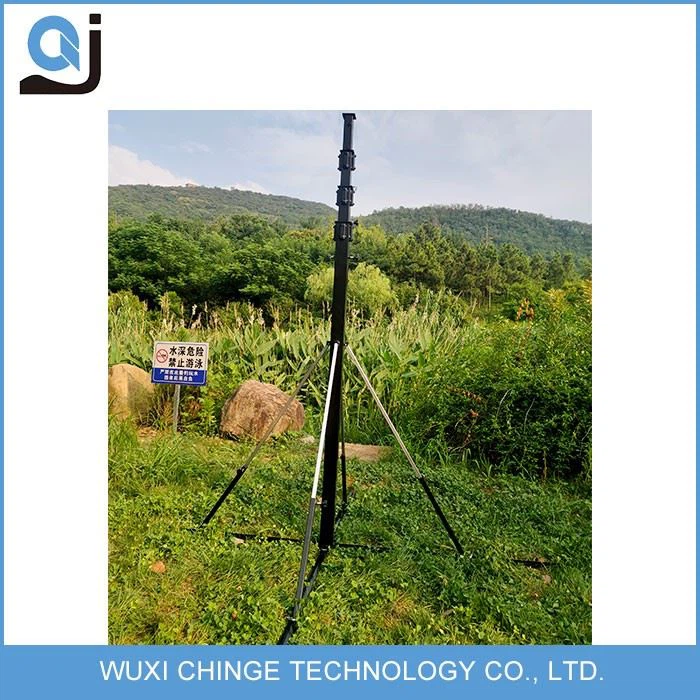
During the installation of the antenna push up pole, follow the manufacturer's instructions carefully. If you are assembling the pole from multiple sections, make sure each section is properly aligned and securely connected. Use the appropriate tools for tightening bolts and nuts, and ensure that all connections are tight.
When raising the pole, use a slow and steady motion. If you are using a winch, operate it at a consistent speed to avoid sudden jerks or movements that could cause the pole to become unstable. Have at least one other person assist you during the raising process. This person can help guide the pole and ensure that it remains balanced.
Be aware of your surroundings at all times. Keep a safe distance from other people, objects, and structures. If the pole is being raised near power lines, maintain a safe clearance distance as specified by local electrical safety regulations. Do not attempt to raise the pole in high - wind conditions, as this can make the pole difficult to control and increase the risk of it toppling over.
Antenna Mounting and Adjustment
When mounting the antenna on the push up pole, ensure that it is properly balanced. An unbalanced antenna can cause the pole to tilt or sway, increasing the risk of collapse. Use the appropriate mounting hardware and follow the installation instructions provided with the antenna.
Adjusting the height and angle of the antenna should be done with caution. If you need to make height adjustments, use the winch or manual adjustment mechanism slowly and steadily. Do not over - extend the pole beyond its recommended maximum height, as this can weaken the structure and lead to failure.
When adjusting the angle of the antenna, make small incremental changes and check the stability of the pole after each adjustment. If you notice any signs of instability, such as excessive swaying or leaning, stop the adjustment process immediately and re - evaluate the situation.
Maintenance and Regular Inspections
Regular maintenance and inspections are essential to keep your antenna push up pole in safe working condition. After each use, clean the pole and all its components to remove dirt, dust, and debris. This helps prevent corrosion and ensures smooth operation of moving parts.
Inspect the pole for any signs of wear or damage on a regular basis. Check the ropes, winch, and connectors for signs of deterioration. Replace any worn or damaged parts as soon as possible. Lubricate moving parts such as the winch and hinges to ensure smooth operation.
Keep a maintenance log to record all inspections, repairs, and maintenance activities. This log can help you track the history of the pole and identify any recurring issues.
Emergency Preparedness
Despite taking all the necessary safety precautions, emergencies can still occur. It is important to be prepared for such situations. Have a first - aid kit on hand at the installation site in case of minor injuries. Familiarize yourself with the location of the nearest medical facilities.
Develop an emergency plan in case the pole collapses or there is an electrical accident. Know how to shut off the power supply if the antenna is connected to an electrical system. Train all personnel involved in the installation and operation of the pole on the emergency plan.
In conclusion, using an antenna push up pole safely requires careful planning, proper equipment, and adherence to safety procedures. As a supplier, we are committed to providing you with high - quality products and the information you need to use them safely. If you have any questions about the safety of our Winch Up Pole, Tripod Telescoping Mast, or Manual Telescoping Mast, or if you are interested in purchasing our products, please feel free to contact us. We are here to assist you with all your antenna push up pole needs.
References
- "Safety Guidelines for Antenna Installation and Maintenance" - Industry - wide safety manual.
- Manufacturer's manuals for antenna push up poles.